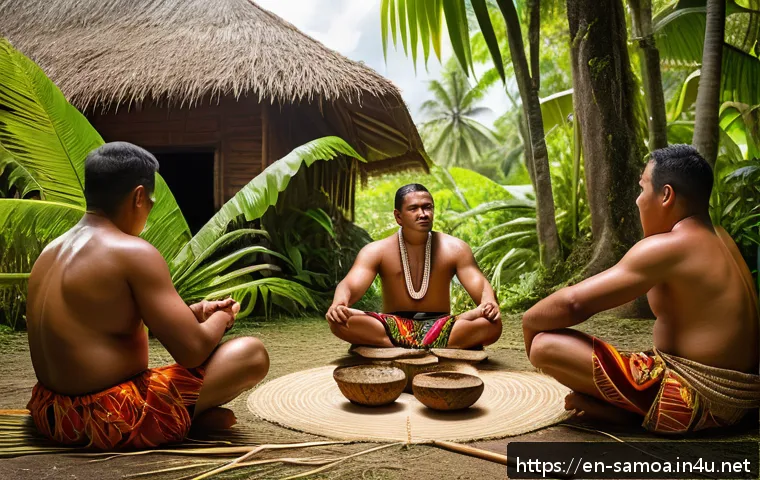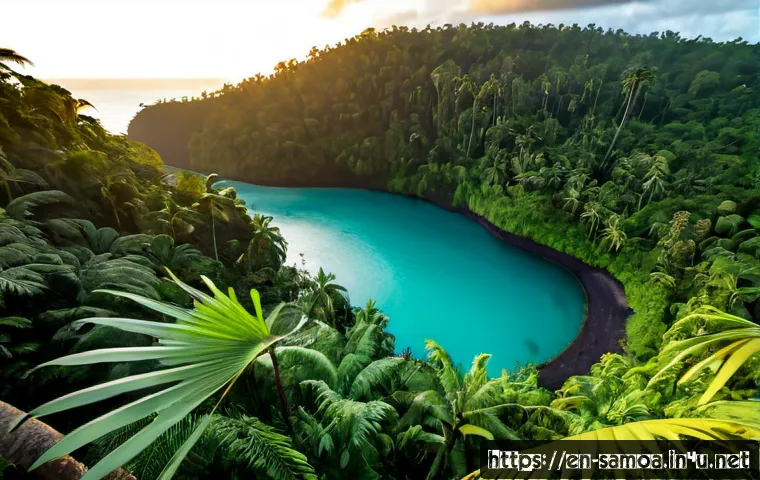
A guided visit is often the safer choice when Samoa wildlife areas involve unfamiliar trails, village land, changing weather, or sensitive habitats. Independent travel can work for prepared visitors, but only after confirming the exact location, access rules, and transport plan.

Samoa’s rainforest, coastal, wetland, and marine environments offer different wildlife-viewing conditions, so there is no single “sanctuary” plan that fits every trip.
Local guides may add value through route knowledge, cultural guidance, and lower-impact wildlife viewing. Compare the full day cost in Samoan tala (WST), not only the advertised eco-tour price.
A flexible itinerary, suitable travel insurance, and carefully selected accommodation can make a nature-focused visit easier to manage.
At a Glance
- Confirm the exact site first: access points, land permissions, opening status, and local rules may vary widely.
- Choose a local guide for unfamiliar rainforest routes, village land, and wildlife-sensitive locations.
- Budget in WST for the whole day: transport, entry, guiding, meals, equipment, and accommodation can all affect the final cost.
| Visit Style | Best For | Main Benefits | What to Confirm |
|---|---|---|---|
| Independent travel | Experienced, well-prepared travelers | Flexible schedule and personal pace | Access permission, route conditions, return transport, and local rules |
| Local guide | Visitors unfamiliar with the area | Local access knowledge, cultural protocol, and safety support | Meeting point, group size, inclusions, and wildlife practices |
| Small-group eco-tour | Families and travelers who prefer an organized day | Coordinated transport and a structured itinerary | Stops included, timing, equipment, meals, and cancellation terms |
| Private transport | Travelers with limited time or specific mobility needs | More control over pickup times and route planning | Vehicle suitability, driver arrangements, waiting time, and total WST cost |
What to Know Before Visiting Samoa’s Protected Wildlife Areas
Quick answer: guided access is often the safer choice
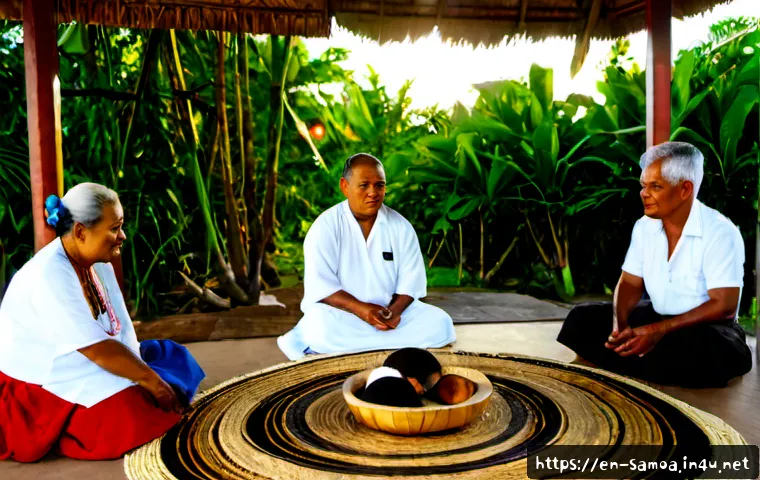
Samoa is an independent island country in the South Pacific, with Upolu and Savaiʻi as its two main islands. Wildlife experiences may take place in rainforest, coastal, wetland, or marine settings, and each setting can require a different level of preparation. A local guide is often worth considering when the route is unfamiliar, the area is environmentally sensitive, or access may involve village land. The added cost can be practical rather than luxurious: a guide may help visitors follow local cultural protocols, choose appropriate routes, and avoid disturbing wildlife.
Confirm the exact location, access point, and local rules
The term “Samoa wildlife sanctuary” does not identify one confirmed site with one set of visitor rules. Before arranging a rental vehicle, taxi, 4WD transport, or day tour, verify the official location name, access point, current opening status, and operator. Ask whether an entry fee, guide, permit, village permission, swimming restriction, or seasonal closure applies. Do not assume that a place shown on a map is open for casual access or that every coastal path is public.
Respect wildlife by keeping distance
Good wildlife viewing is quiet, patient, and low-impact. Do not feed, touch, collect, chase, or closely approach animals. Leave shells, plants, rocks, and other natural materials where they are. A visitor who gives wildlife space is more likely to have an ethical experience and less likely to create problems for the habitat or other visitors.
Compare Visit Options: Independent Travel, Local Guides, and Eco-Tours
When an independent visit may suit experienced travelers
Independent travel may suit visitors who are comfortable planning routes, checking conditions, and adjusting their plans when weather changes. It can offer more flexibility for short walks, scenic stops, or time at an approved coastal area. However, independent visitors should have a clear transport plan in both directions and should not use unmarked trails or enter land without permission. Flexibility is useful; improvising access is not.
When a local guide adds value
A local wildlife guide can be a sensible option for families, first-time visitors, photographers, and anyone unsure about access conditions. Beyond route finding, a guide can explain appropriate behavior around wildlife and local communities. When comparing eco-tour operators, look for clear answers about pickup arrangements, expected activity level, group size, safety planning, and how the tour avoids disturbing sensitive habitats.
Cost factors to compare in Samoan tala
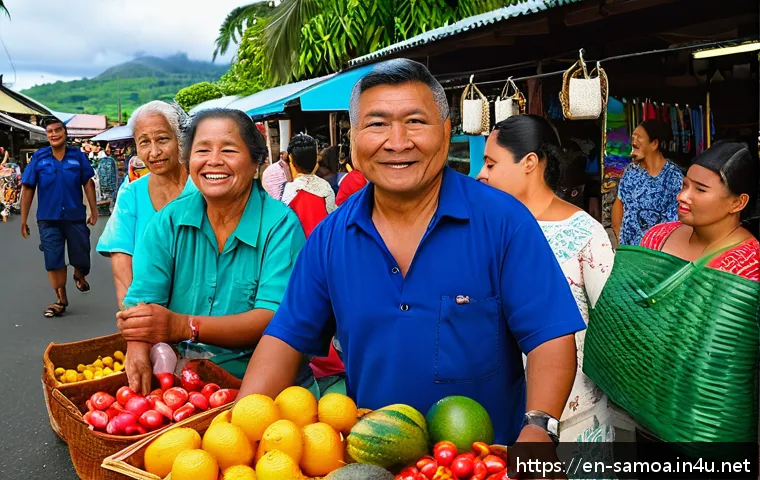
Samoa uses the Samoan tala (WST). Rather than searching for one “normal” tour price, build a simple cost plan based on what your day actually requires. Include possible entry costs, guide services, rental vehicle or taxi transport, fuel where relevant, food, water, equipment, and accommodation. A lower advertised eco-tour price may not include transport or meals, while a higher-priced option may reduce the need to arrange several items separately. Compare the total WST cost and the practical support included.
Plan Transport, Timing, and Budget Without Guesswork
Choose transport based on the access route
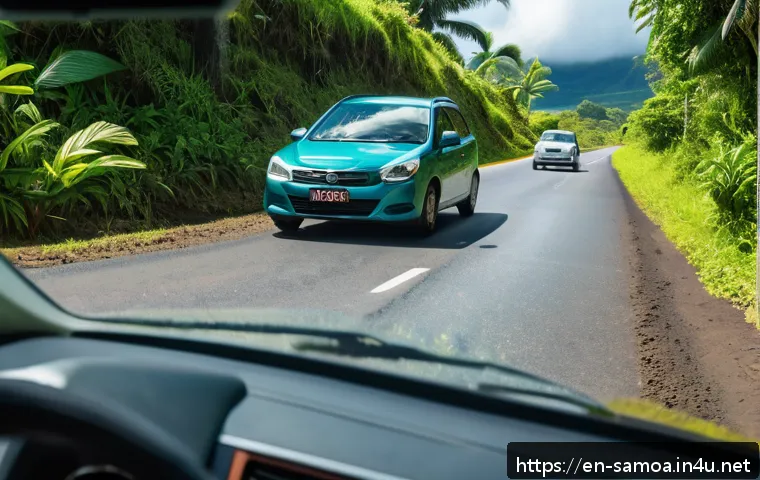
Rental vehicles, taxis, shared transport, private drivers, and organized day tours can all be useful depending on the destination. A rental vehicle may offer freedom, but it also places route planning and timing on the traveler. A taxi or private transfer can simplify a one-day outing, while an organized eco-tour may combine transport and guiding. If a road or access track may require more capable transport, ask the operator or transport provider what is appropriate before booking.
Weather, road conditions, and daylight matter
Samoa’s generally drier season falls between May and October, although weather can still change quickly. Keep extra time in the itinerary for rain, changing road conditions, delayed transport, or a decision to skip an activity when conditions are unsuitable. Avoid planning an unfamiliar trail or coastal activity so late that you are rushing to return in reduced daylight. A flexible schedule is a safety tool, not wasted vacation time.
Questions to ask before paying a deposit
Ask the operator or guide where the activity begins, whether transport is included, and what the total payment covers. Confirm whether there are local access requirements, restrictions on swimming, weather-related changes, and any equipment expectations. Also ask what happens if conditions make the activity unsuitable. When comparing travel insurance, read the policy details for the activities you expect to do rather than assuming every outdoor or marine activity is included.
Wildlife Viewing Etiquette and Common Mistakes to Avoid
Do not feed, touch, chase, or use flash near animals
Wildlife should set the distance and the pace of an encounter. Feeding or touching animals can disrupt normal behavior, while chasing them for a closer photo can create stress and push them away from safe areas. Keep noise low, avoid flash near animals, and use a camera zoom rather than stepping closer. If an animal changes its behavior because of your presence, give it more space.
Avoid unmarked trails, private land, and restricted coastal areas

Access routes and land permissions can differ by location in Samoa. Stay on approved routes, do not cross onto private or village land without permission, and follow restrictions at coastal or marine areas. This is especially important when arriving independently, because a route that appears direct may not be an authorized visitor route.
Pack for comfort and lower impact
Bring drinking water, rain gear, and secure footwear where the terrain calls for it. For coastal time, pack reef-safe sun protection and protect your belongings from water. Carry out what you bring in, including food packaging. Equipment needs can vary, so ask in advance whether an eco-tour supplies anything essential or whether you should bring your own.
Choose the Right Experience for Your Travel Style
Families seeking short, low-risk nature activities
Families may be best served by a shorter guided activity with a clear meeting point, predictable transport, and time built in for rest stops. Before booking, ask about walking conditions, duration, shade, toilet access, and whether children can comfortably participate. A simple nature-focused outing can be more enjoyable than trying to fit rainforest, coast, and marine activities into one rushed day.
Birdwatchers and photographers needing patient viewing time
For birdwatchers and photographers, prioritize a guide or tour plan that allows quiet observation time rather than a fast checklist of stops. Explain that you want low-impact viewing and ask whether the itinerary leaves room to wait without leaving approved areas. Wildlife visibility cannot be promised on a particular day, so treat sightings as possible outcomes rather than guaranteed inclusions.
Snorkelers and marine-life visitors
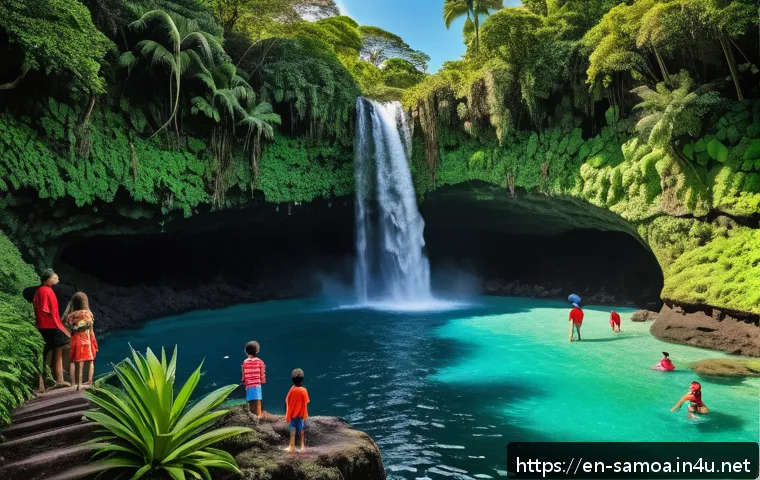
Marine visitors should prioritize operators that clearly explain safety practices, weather decisions, entry conditions, and local restrictions. Do not assume that swimming or snorkeling is allowed at every coastal wildlife location. Check conditions close to the activity date, follow instructions on site, and avoid touching marine life or standing on sensitive reef areas.
Selection Criteria and Comparison Summary
Use these final checks before choosing between self-guided travel, a local guide, or an organized eco-tour:
- Exact access: Do you know the official location, access point, and permission requirements?
- Total WST cost: Have you included transport, guide fees, entry, food, equipment, and accommodation?
- Safety clarity: Does the provider explain weather plans, route conditions, and activity expectations?
- Wildlife standards: Are low-impact viewing and respectful behavior clearly part of the experience?
- Practical fit: Does the activity match your time, mobility, family needs, and comfort level?
Compare reputable tour operators, travel insurance wording, and sustainable accommodation options by checking the exact inclusions and conditions on their official pages before you commit.
In Closing
A responsible wildlife visit in Samoa begins with clear information, not assumptions. Confirm the exact place you intend to visit, then choose transport and guiding that suit the route and your experience level. A local guide can be particularly helpful where land access, cultural protocols, or sensitive habitats are involved. Keep plans flexible, give wildlife distance, and treat changing conditions as a reason to adjust rather than push ahead.
Useful Information to Know
1. Samoa’s main islands are Upolu and Savaiʻi.
2. Local costs are quoted in Samoan tala (WST).
3. The generally drier period is May through October, but conditions can still change quickly.
4. Wildlife experiences may involve rainforest, coastal, wetland, or marine environments.
5. Access rules and facilities can differ from one location to another.
Important Notes
This guide does not confirm the official name, boundaries, operator, entry rules, opening status, fees, or wildlife conditions for any specific Samoa wildlife site. Permit requirements, village permissions, transport availability, swimming restrictions, and seasonal closures must be checked for the exact location and travel date. Wildlife sightings and conditions cannot be guaranteed.
Frequently Asked Questions
Q1. Is a guided wildlife tour in Samoa worth the cost?
A1. It can be worth the added cost when you are unfamiliar with the route, need help with local access protocols, or want support in minimizing disturbance to wildlife. Compare the total inclusions, including transport and guide services, rather than judging only the headline price.
Q2. How much should I budget in Samoan tala for a nature day trip?
A2. Costs vary by site and provider, so build a WST budget that includes possible entry fees, transport, guide services, meals, water, equipment, and any accommodation connected to the trip. Confirm current prices directly before booking.
Q3. Is it safe to visit Samoa’s rainforest and coastal wildlife areas independently?
A3. It may be suitable for prepared travelers who have confirmed the route, access rules, transport, weather conditions, and return timing. For unfamiliar trails, village land, restricted coastal areas, or sensitive wildlife locations, a local guide is often the safer and more respectful option.