As travel enthusiasts seek more meaningful experiences beyond typical sightseeing, authentic indigenous cultural tours in Samoa offer a rare glimpse into the island’s rich heritage and traditions.
With growing global interest in sustainable and respectful travel, now is the perfect time to explore Samoa’s heart through its vibrant local customs.
From traditional ceremonies to storytelling and crafts, these immersive tours connect visitors directly with the island’s living culture. If you’re craving a journey that goes deeper than the usual tourist trails, Samoa’s indigenous experiences promise unforgettable memories and genuine connections.
Let’s dive into why these cultural tours are becoming a must-do for curious travelers worldwide.
Immersing in Samoa’s Time-Honored Traditions
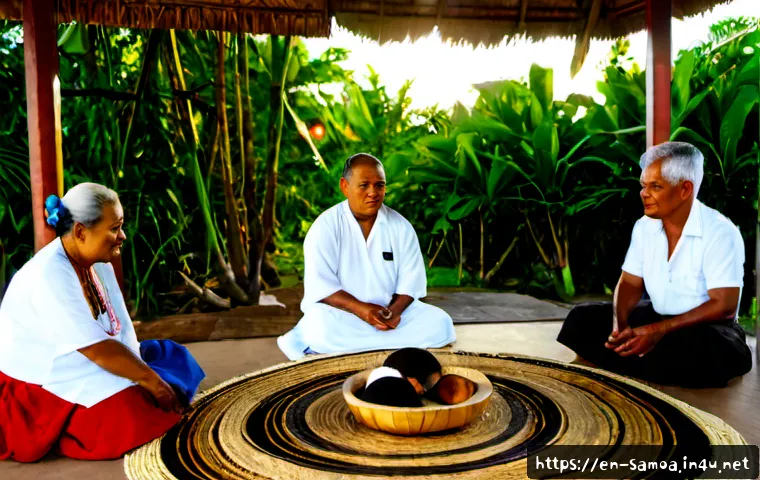
Witnessing the Fa’a Samoa Way of Life
The essence of Samoan culture, known as Fa’a Samoa, is more than just customs—it’s a way of life that shapes every aspect of the community. When you join a cultural tour, you get the rare chance to observe how families and villages honor respect, hospitality, and communal living.
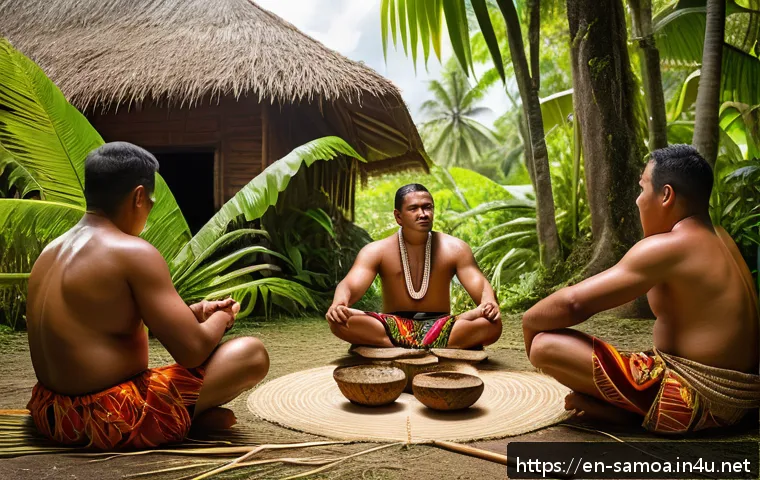
From the moment you arrive, the warm greetings and ceremonial kava rituals make you feel like part of the family. It’s fascinating how these traditions have endured despite modern influences, and being present during a village gathering or a Sunday church service offers profound insight into the island’s soul.
I remember attending a village meeting where decisions were made collectively, and the respect for elders was palpable—it was humbling to witness.
Participating in Traditional Crafts and Artistry
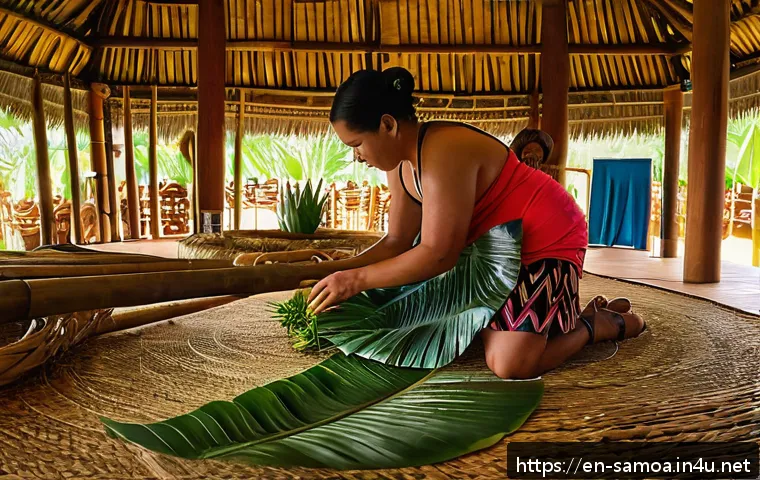
One of the most rewarding parts of the experience is rolling up your sleeves and learning traditional crafts. Samoan tapa cloth making, weaving fine mats, or carving wooden utensils are skills passed down through generations.
The guides patiently explain the symbolism behind each pattern and design, which tells stories of ancestry and nature. Trying your hand at weaving while chatting with local artisans reveals the pride they take in preserving their heritage.
It’s not just a souvenir-making activity; it’s a meaningful exchange that bridges cultures. Personally, weaving my first mat, although imperfect, gave me a deep appreciation for the patience and artistry required to keep these crafts alive.
Engaging with Storytelling and Oral Histories
Storytelling in Samoa is a vibrant tradition that keeps history alive without written records. Sitting under the shade of a large tree in a village, locals share myths, legends, and historical accounts with animated expressions and heartfelt emotion.
These stories often center on legendary heroes, the origins of the islands, and lessons about morality and nature’s balance. What struck me was how storytelling is not just entertainment but a vital educational tool that connects younger generations to their roots.
Listening to an elder recount a tale of the ocean’s spirit gave me chills—there’s a spiritual depth in these narratives that you won’t find in guidebooks.
Exploring Samoan Cuisine Through Indigenous Flavors
Tasting the Authentic Umu Feast
Samoan food is a gateway into the culture, and nothing beats experiencing an umu—a traditional earth oven feast. This cooking method, where food is wrapped in banana leaves and slow-cooked underground with hot stones, infuses the dishes with unique smoky flavors.
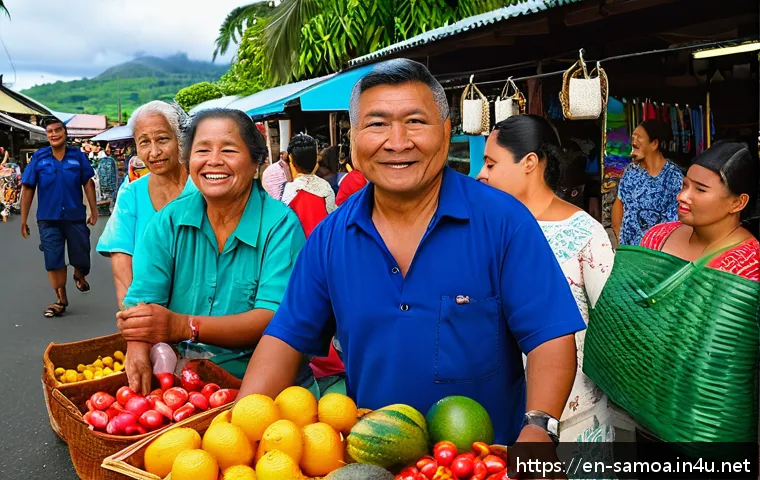
Sharing an umu meal with locals, featuring taro, fresh fish, coconut crab, and tropical fruits, feels like joining a big family celebration. The communal nature of the meal, passing plates around, and savoring every bite together, embodies the Samoan spirit of generosity and unity.
I recall the first time I tasted palusami, a creamy coconut and taro leaf dish, and how its rich, comforting taste instantly connected me to the island’s bounty.
Learning the Cultural Significance of Food
Food in Samoa isn’t just nourishment—it’s deeply tied to rituals and social customs. During special ceremonies, specific dishes symbolize blessings, respect, or transitions in life.
For example, the sharing of kava, a traditional drink made from the root of the yaqona plant, is a sacred ritual that welcomes guests and seals agreements.
Participating in a kava ceremony requires understanding its etiquette, from the way the cup is presented to the respectful silence during drinking. These experiences taught me that food and drink rituals are essential threads in Samoa’s cultural fabric, reinforcing bonds and honoring ancestors.
Discovering Sacred Sites and Cultural Landmarks
Visiting Ancient Village Grounds
Samoa’s landscape is dotted with ancient villages that remain centers of cultural identity. Walking through these sites, you’ll find the remains of old fale (traditional houses), stone platforms, and ceremonial grounds that have witnessed centuries of history.
The guides share stories about the chiefs who once ruled these areas and the battles or alliances that shaped the islands. Exploring these grounds gives a tangible connection to the past and a deeper understanding of how the community’s structure and governance evolved.
I was struck by the peaceful atmosphere and the reverence locals show when visiting these ancestral places, which contrasts sharply with the busier tourist spots.
Understanding the Role of Matai Chiefs
The matai system is the backbone of Samoan social order, where chiefs hold titles that carry responsibility for families and villages. During cultural tours, you often meet matai who explain their roles in decision-making, conflict resolution, and preserving customs.
Their stories reveal how leadership is intertwined with service, humility, and collective welfare. Hearing a matai speak candidly about the challenges of balancing tradition with modernity made me appreciate the complexity of maintaining cultural integrity in today’s world.
It’s a powerful reminder that indigenous leadership continues to shape Samoa’s future.
Participating in Traditional Dance and Music
Learning the Siva and Fa’ataupati
Samoan dance is a vibrant expression of culture that blends storytelling with graceful movement. Tours often include interactive sessions where visitors can learn the siva, a traditional dance characterized by gentle hand gestures and storytelling through motion.
The fa’ataupati, or slap dance, is a high-energy performance that showcases strength and rhythm. Trying these dances myself was both fun and humbling—it’s harder than it looks!
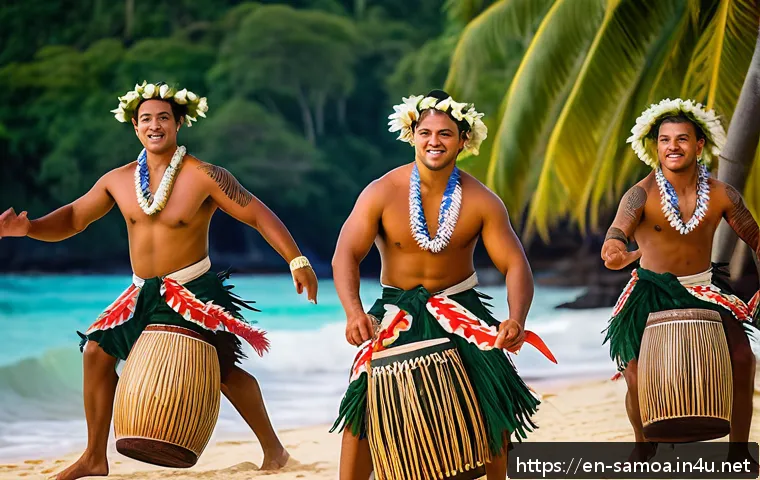
The instructors emphasized that dance is not just entertainment but a way to honor ancestors and communicate cultural values. Experiencing this firsthand deepened my respect for the artistry and discipline behind Samoan dance.
Experiencing Traditional Drumming and Singing
No cultural tour is complete without the hypnotic beat of Samoan drums and harmonious singing. Music is integral to ceremonies, celebrations, and daily life, often performed with wooden drums called pate and vocal harmonies that echo the island’s natural rhythms.
Joining a singing circle with locals, I felt an immediate sense of belonging and joy. The songs tell stories of love, war, and the natural world, weaving history with emotion.
This immersive musical experience was one of the most memorable highlights of my trip, reminding me how music transcends language and connects hearts.
Supporting Community-Led Sustainable Tourism
Empowering Local Artisans and Guides
Choosing indigenous cultural tours means supporting communities directly, ensuring that tourism benefits locals rather than outside operators. Many tours are led by village members who share their knowledge and talents, from crafting to storytelling.
This model not only preserves cultural authenticity but also provides economic opportunities that help maintain traditional lifestyles. I found it rewarding to buy handmade souvenirs knowing that the proceeds supported families and cultural preservation projects.
The personal connections formed during these tours felt genuine, as guides were eager to share their heritage and proud to welcome curious travelers.
Promoting Environmental Stewardship Through Culture
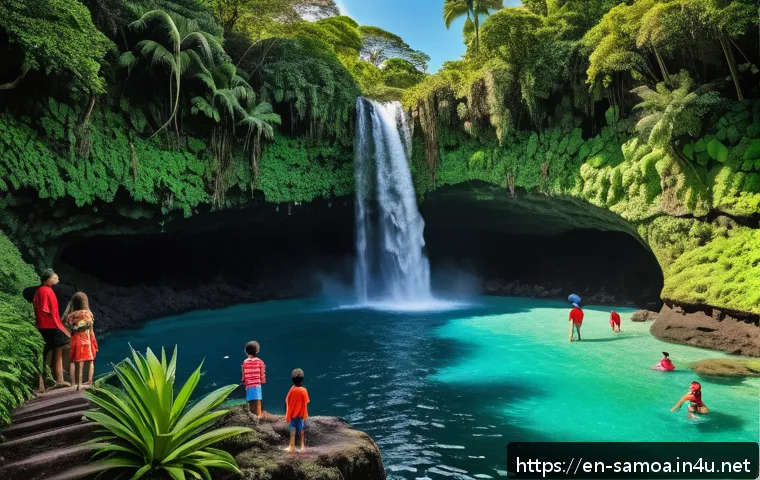
Samoan culture is deeply connected to the environment, with many customs reflecting respect for nature’s balance. Indigenous tours often incorporate lessons on sustainable living, traditional fishing methods, and conservation practices rooted in cultural beliefs.
Experiencing these teachings firsthand highlighted how cultural preservation and environmental protection go hand in hand. Visitors learn that by respecting local customs, they also help safeguard Samoa’s unique ecosystems for future generations.
This approach to tourism felt responsible and inspiring, showing me that travel can be a force for positive change.
| Aspect | Description | Visitor Experience |
|---|---|---|
| Fa’a Samoa Lifestyle | Community values, respect for elders, and collective decision-making | Participate in village meetings and Sunday services, feeling integrated into local life |
| Traditional Crafts | Tapa cloth making, weaving, carving with symbolic designs | Hands-on workshops creating authentic souvenirs with artisan guidance |
| Storytelling | Oral histories and legends passed down generations | Listening to elders share myths under village trees |
| Umu Feast | Earth oven cooking method for communal meals | Enjoying meals with locals, tasting taro, fish, and palusami |
| Matai System | Traditional leadership and social structure | Meeting chiefs and learning about governance and cultural roles |
| Dance and Music | Siva dance, slap dance, drumming, and singing | Participating in dance lessons and singing circles |
| Sustainable Tourism | Community empowerment and environmental stewardship | Supporting local guides and learning eco-friendly practices |
Building Lasting Connections Beyond the Tour
Creating Personal Bonds with Hosts
What stays with me most after these tours are the friendships formed with locals who open their hearts and homes. Sharing meals, stories, and laughter creates bonds that go beyond the typical traveler-host dynamic.
I remember exchanging contact details with a family that invited me to their church service the following Sunday—a gesture that made me feel truly welcomed and respected.
These connections remind me that travel is about people, not just places, and that authentic cultural exchange enriches both visitor and host.
Reflecting on Cultural Respect and Responsibility
Participating in indigenous tours in Samoa also comes with a responsibility to honor customs and approach experiences with humility. I learned that asking questions respectfully, observing without intruding, and following village protocols are essential.
This mindfulness deepens the experience and shows genuine appreciation for the culture shared. Reflecting on my journey, I realize that respectful travel fosters understanding and preserves these precious traditions for generations to come.
It’s a powerful reminder that we are guests in someone else’s home and should always act accordingly.
In Conclusion
Experiencing Samoa’s rich traditions offers a unique window into a culture deeply rooted in community, respect, and heritage. Engaging with locals through their crafts, food, and ceremonies creates meaningful memories that go beyond typical travel. These authentic moments reveal the true spirit of Samoa, making every visit both enlightening and heartfelt.
Helpful Information to Know
1. Always approach cultural experiences with respect and openness to fully appreciate the local customs and traditions.
2. Participating actively in workshops or ceremonies enhances your understanding and connection with the community.
3. Wearing comfortable clothing and being prepared for outdoor activities will help you enjoy village visits and traditional events.
4. Purchasing handmade souvenirs directly from artisans supports sustainable tourism and local livelihoods.
5. Learning a few basic Samoan greetings can go a long way in building rapport and showing appreciation for the culture.
Key Takeaways
Immersing yourself in Samoa’s culture requires mindfulness and respect for local protocols to ensure a positive experience for both visitors and hosts. Engaging with community-led tours promotes cultural preservation and economic empowerment. Remember that authentic travel is about building connections and honoring the traditions that make each destination unique. By embracing these values, your journey will leave a lasting impact on both your perspective and the communities you visit.
Frequently Asked Questions (FAQ) 📖
Q: What can I expect to experience during an authentic indigenous cultural tour in Samoa?
A: On these tours, you’ll dive deep into Samoa’s rich heritage by participating in traditional ceremonies, hearing ancient storytelling, and learning local crafts firsthand.
It’s not just about observing; you get to engage with community members who openly share their customs and daily life. From watching or even joining in on a fiafia dance to tasting traditional foods prepared in an umu (earth oven), the experience is immersive and personal, offering a true connection to the island’s living culture.
Q: How do indigenous cultural tours in Samoa support sustainable and respectful travel?
A: These tours are designed with respect for the local communities and environment at their core. By visiting small villages and engaging directly with locals, your travel dollars go straight into supporting families and preserving cultural traditions.
The guides emphasize responsible behavior, ensuring visitors understand and honor customs rather than treating them as mere spectacles. Plus, many tours incorporate eco-friendly practices, minimizing impact on Samoa’s pristine nature, making your journey both meaningful and sustainable.
Q: Are indigenous cultural tours in Samoa suitable for families and travelers of all ages?
A: Absolutely! These tours are thoughtfully organized to welcome travelers of all ages, including families with children. The activities are interactive yet gentle, often incorporating storytelling and crafts that captivate younger visitors while offering adults a deeper cultural insight.
Since the pace is usually relaxed and community-focused, it allows everyone to learn and enjoy at their own speed. From my own experience, seeing children’s faces light up while trying traditional weaving or joining a dance circle is truly heartwarming.