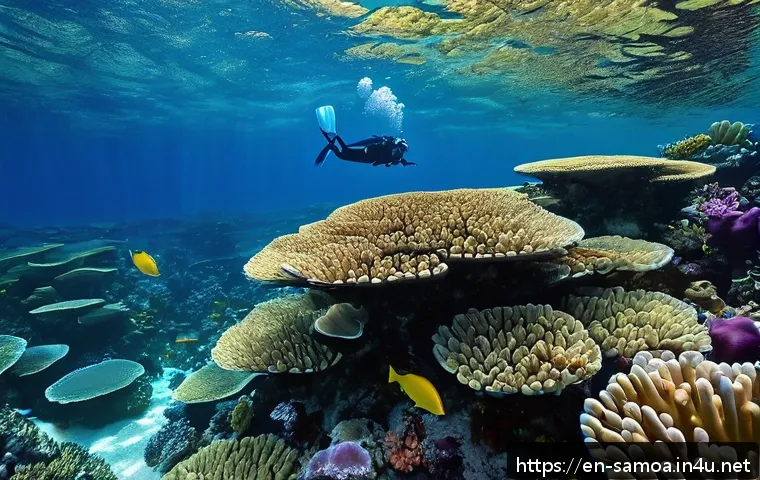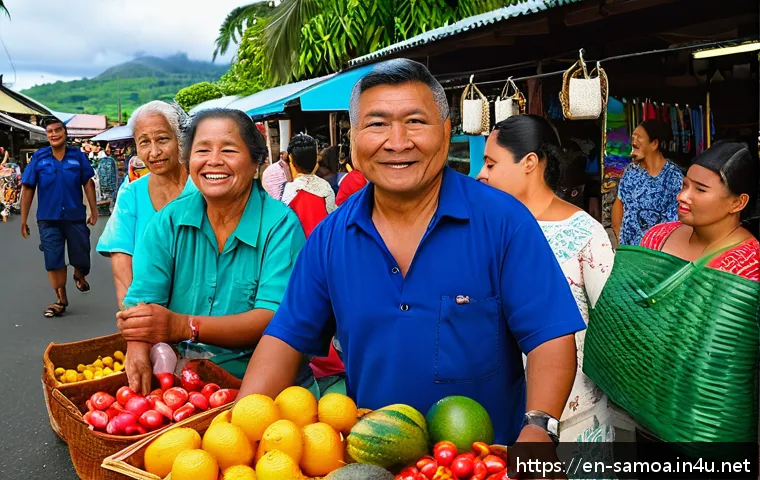
As more travelers and expats set their sights on Samoa’s stunning landscapes and rich culture, understanding the current security environment becomes essential.
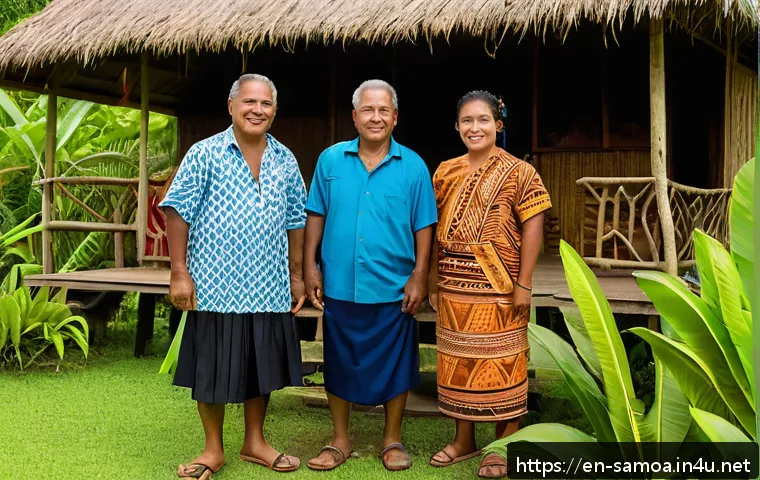
Recent developments in regional stability and local safety measures have reshaped what visitors can expect, making it crucial to stay informed before your journey.
Whether you’re planning a short visit or a longer stay, knowing the ins and outs of Samoa’s security landscape can help you navigate with confidence and peace of mind.
Let’s dive into the latest insights and practical tips that will keep you safe while you enjoy everything this beautiful island nation has to offer.
Current Crime Trends and Tourist Safety in Samoa
Understanding the Types of Crime Visitors Might Encounter
While Samoa is generally considered a safe destination compared to many other places in the Pacific, it is not completely free from crime. Petty theft, such as pickpocketing and bag snatching, tends to be the most common issue tourists might face, especially in crowded markets or busy areas.
More serious crimes, like violent offenses, are relatively rare but have occurred sporadically, mostly in isolated incidents. Visitors should be mindful when walking alone at night or in less populated areas.
From my experience staying in Apia, the capital, I noticed locals are very friendly but caution is still necessary around unfamiliar neighborhoods after dark.
Being vigilant and keeping valuables secured can significantly reduce risks.
Safety Measures Implemented by Local Authorities
In recent years, Samoan authorities have stepped up efforts to maintain a safe environment for both residents and visitors. Increased police patrols in tourist hotspots and major towns are a direct response to rising concerns about petty crimes.
Additionally, community policing initiatives encourage locals to participate actively in neighborhood watch programs, which has proven effective in fostering safer spaces.
I found that hotels and resorts often collaborate with local police to ensure guest security, offering shuttle services and advice on safe travel routes.
These measures have boosted overall confidence in Samoa’s safety, making it easier for travelers to explore freely while still exercising common sense.
Practical Tips for Staying Safe During Your Visit
When exploring Samoa, small precautions can make a big difference. Avoid flaunting expensive jewelry or carrying large amounts of cash. Use hotel safes whenever possible and stay in well-reviewed accommodations with good security.
If you rent a vehicle, always lock doors and avoid leaving valuables visible inside. It’s also wise to inform someone of your itinerary when venturing to remote areas or beaches.
I personally found that blending in by dressing modestly and respecting local customs helped me avoid unwanted attention. Staying connected by purchasing a local SIM card ensures you can quickly reach emergency services if needed, adding an extra layer of security.
Local Infrastructure and Emergency Services
Overview of Medical Facilities and Emergency Response
Medical care in Samoa is concentrated mainly in Apia, where the Tupua Tamasese Meaole Hospital serves as the principal healthcare center. Smaller clinics and health posts are scattered across the islands but might lack advanced equipment or specialized care.
For serious medical emergencies, evacuation to New Zealand or Australia is sometimes necessary. Emergency response times can vary, especially in rural areas, so travelers with specific health concerns should plan accordingly.
I once needed urgent care for a minor injury while on the island of Upolu, and the local clinic was able to provide prompt treatment, but more complex cases would require transfer to Apia or overseas.
Availability of Police and Fire Services
Samoa’s police force is generally responsive and well-regarded, though resource limitations sometimes affect rapid deployment in remote regions. Fire services are also functional but tend to operate with limited equipment compared to larger countries.
Visitors should note that emergency numbers might differ from what they’re used to at home, so familiarizing themselves with local contact details is crucial.
Many resorts and tour operators provide clear instructions and assistance in case of emergencies, which helped me feel reassured during my stay.
Communication and Connectivity for Emergencies
Reliable communication is a key factor in safety, and Samoa has made strides in improving mobile network coverage and internet access. Major towns and tourist areas enjoy good connectivity, but signal strength may drop in remote inland or coastal locations.
Purchasing a local SIM card is highly recommended for visitors, as it enables easy access to emergency services and keeps you connected with family or guides.
I found that having mobile data allowed me to use navigation apps and instant messaging, which proved invaluable when exploring less familiar parts of the island.
Community Attitudes Toward Tourists and Visitors
Welcoming Culture and Respectful Interactions
One of the most striking aspects of Samoa is its warm and hospitable community spirit. Visitors are often greeted with genuine friendliness and a willingness to help, which greatly enhances the travel experience.
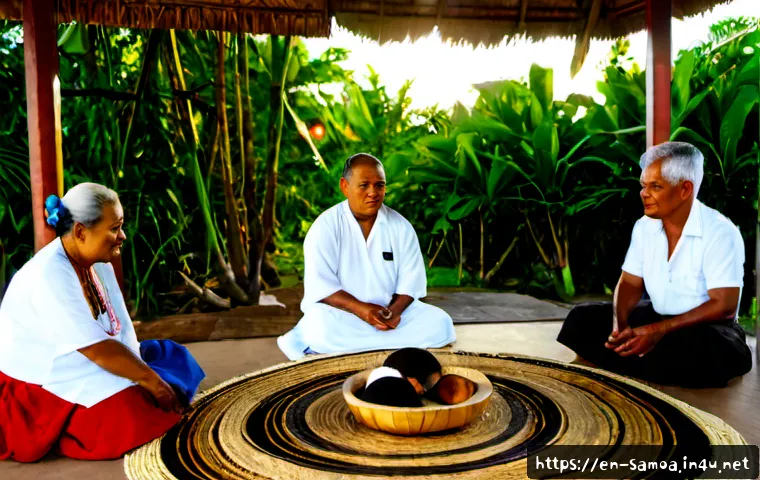
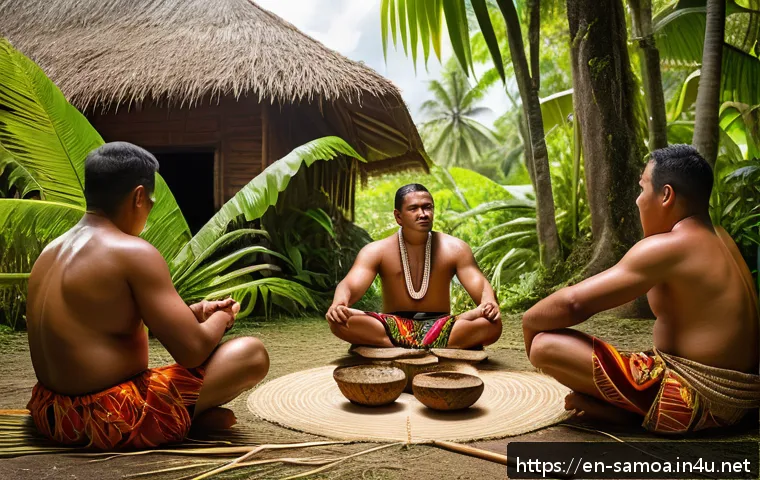
However, Samoan culture places a strong emphasis on respect and tradition, so it’s important to approach interactions with humility and sensitivity. I noticed that locals appreciate when tourists show interest in their customs, such as learning basic greetings or participating in cultural events, which fosters mutual respect and a safer, more enjoyable atmosphere.
Community Involvement in Safety and Tourism
Local villages often play a significant role in maintaining safety by keeping an eye out for strangers and supporting community-based tourism initiatives.
This collective approach means that visitors who engage positively with communities tend to receive protection and guidance in return. During my visits to smaller villages, I observed that community leaders sometimes brief tourists on local safety practices and encourage responsible behavior, which helps prevent misunderstandings and potential conflicts.
Impact of Tourism on Local Security Dynamics
As tourism grows, there are both opportunities and challenges for security. Increased visitor numbers bring economic benefits but also raise concerns about preserving traditional lifestyles and preventing crime.
Authorities and community groups are working together to balance these factors through education and infrastructure improvements. From personal observation, I’ve seen that well-managed tourism projects contribute positively to security by creating jobs and fostering pride in maintaining a safe environment for all.
Transportation Safety and Road Conditions
Road Infrastructure and Driving Norms
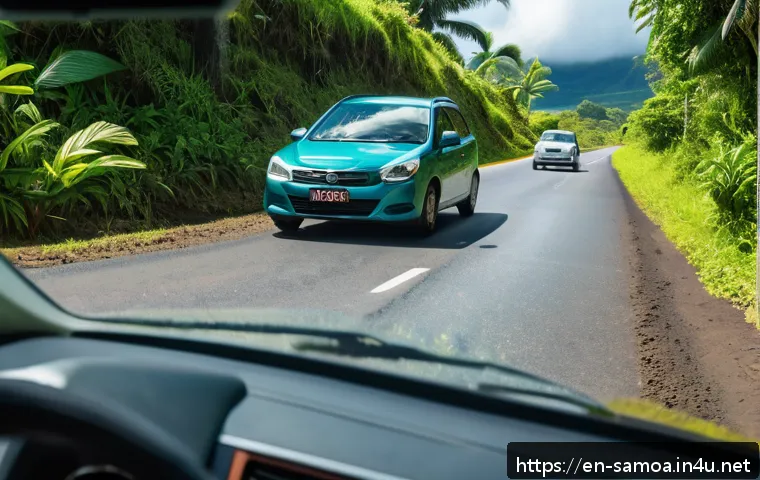
Samoa’s road network includes paved highways and numerous smaller, often unpaved roads that connect rural areas. While main roads are generally in good condition, travelers should be cautious on less maintained routes, especially during the rainy season when flooding and landslides can occur.
Driving is on the left side of the road, and local driving habits may differ significantly from what visitors are used to. When I rented a car, I quickly realized the importance of driving defensively and respecting local speed limits to avoid accidents.
Public Transport and Taxi Safety
Public transport mainly consists of buses and minibuses, which can be crowded and operate on flexible schedules. While generally safe, tourists should be alert for pickpocketing on busy routes.
Taxis are available but may not always use meters, so agreeing on a fare beforehand is advisable. During my stay, I found that using reputable taxi services recommended by hotels provided greater peace of mind, especially when traveling at night.
Boat and Ferry Safety for Island Hopping
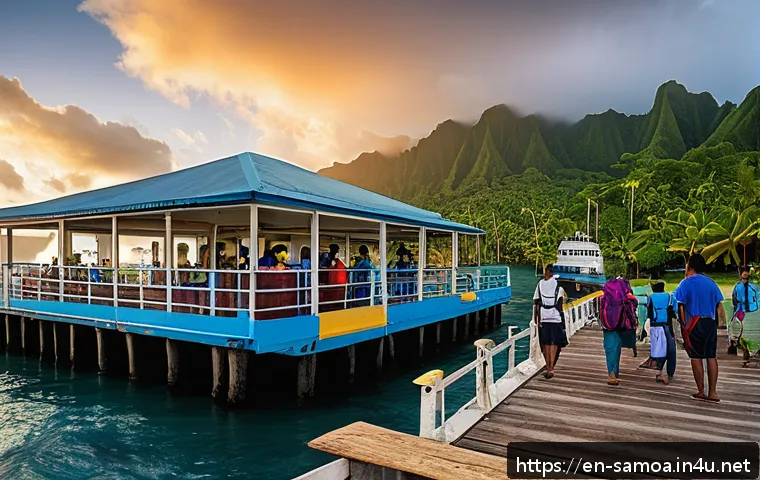
Ferry services connect the main islands, offering a scenic way to explore Samoa’s archipelago. Safety standards have improved, but passengers should still check weather conditions and vessel maintenance before traveling.
Life jackets and safety briefings are usually provided, but I always double-checked availability just to be safe. Sea conditions can be unpredictable, so following crew instructions is essential for a secure journey.
Local Laws, Customs, and Their Impact on Security
Legal Regulations Affecting Visitors
Samoa enforces strict laws regarding drug use, alcohol consumption, and public behavior. Possession of illegal substances can lead to severe penalties, including imprisonment.
Alcohol is widely available but public intoxication is frowned upon and can attract police attention. I learned that respecting these laws not only avoids trouble but also shows consideration for local values, which positively influences how visitors are treated.
Respecting Cultural Practices to Avoid Conflict
Samoa’s strong cultural identity means that visitors should be mindful of traditional protocols, such as dress codes in villages and during ceremonies.
Ignoring these customs can cause offense and potentially lead to uncomfortable situations. I found that asking permission before photographing people or sacred sites helped me build trust and avoid misunderstandings.
Implications of Curfews and Restricted Areas
Certain areas may have curfews or restrictions, especially in smaller villages, to maintain order and respect for community life. Tourists are expected to adhere to these rules, which are often communicated by hosts or local authorities.
During my travels, I noticed that compliance with such restrictions resulted in smoother interactions and enhanced safety, as locals appreciated visitors who honored their guidelines.
Summary of Key Security Recommendations for Travelers
| Security Aspect | Recommended Actions | Local Resources |
|---|---|---|
| Personal Safety | Keep valuables secure, avoid walking alone at night, use hotel safes | Police stations in major towns, hotel security personnel |
| Medical Emergencies | Know hospital locations, carry basic first aid kit, consider travel insurance | Tupua Tamasese Meaole Hospital, local clinics |
| Transportation | Drive cautiously, agree on taxi fares, check ferry safety | Local transport offices, ferry operators |
| Communication | Purchase local SIM card, memorize emergency numbers | Mobile providers, tourist information centers |
| Cultural Respect | Follow dress codes, ask permission before photos, respect curfews | Village chiefs, cultural guides |
Conclusion
Visiting Samoa offers a unique blend of natural beauty and warm cultural experiences, with safety measures steadily improving for travelers. By staying aware of local customs, following practical safety tips, and respecting community rules, visitors can enjoy a secure and memorable trip. My time in Samoa showed me that a little preparation goes a long way in ensuring peace of mind throughout the journey.
Useful Information to Know
1. Always secure your valuables and avoid walking alone after dark to minimize risk of petty crime.
2. Familiarize yourself with emergency contacts and consider purchasing a local SIM card for reliable communication.
3. Respect local customs by dressing modestly and asking permission before taking photos, especially in villages.
4. When using transport services, agree on fares beforehand and check the condition of boats or ferries before travel.
5. Carry basic first aid supplies and know the locations of medical facilities, especially if planning to visit remote areas.
Key Takeaways for Traveler Safety
Understanding Samoa’s safety landscape involves recognizing that while it is generally safe, vigilance is essential, particularly in less populated areas and at night. Local authorities and communities actively contribute to maintaining security through policing and cultural guidance. Respecting laws and traditions not only prevents conflicts but also enhances the overall travel experience. Practical preparations such as cautious driving, secure accommodation choices, and staying connected via local networks are crucial for a smooth visit.
Frequently Asked Questions (FAQ) 📖
Q: uestions about Samoa’s Security EnvironmentQ1: Is Samoa safe for solo travelers and tourists?
A: Absolutely. Samoa is generally considered very safe for solo travelers and tourists. Violent crime is rare, and locals are known for their friendliness and hospitality.
However, like any travel destination, it’s wise to stay alert, especially at night or in less populated areas. Petty theft can occur, so keeping valuables secure and being mindful of your surroundings will enhance your safety.
From my own trips, blending in respectfully and engaging with locals made the experience even more enjoyable and secure.
Q: Are there any recent changes in Samoa’s security measures that travelers should know about?
A: Yes, there have been improvements in both regional cooperation and local law enforcement, aimed at boosting safety for residents and visitors alike. For example, enhanced patrols in tourist hotspots and better emergency response systems are now in place.
These changes contribute to a more stable environment, but it’s still important to check for travel advisories before your trip. From conversations with expats and local guides, these updates have made a noticeable difference in overall peace of mind.
Q: What practical safety tips should I follow while staying in Samoa?
A: First, respect local customs and laws—this earns goodwill and helps avoid misunderstandings. Always keep your belongings close, especially in markets or crowded places.
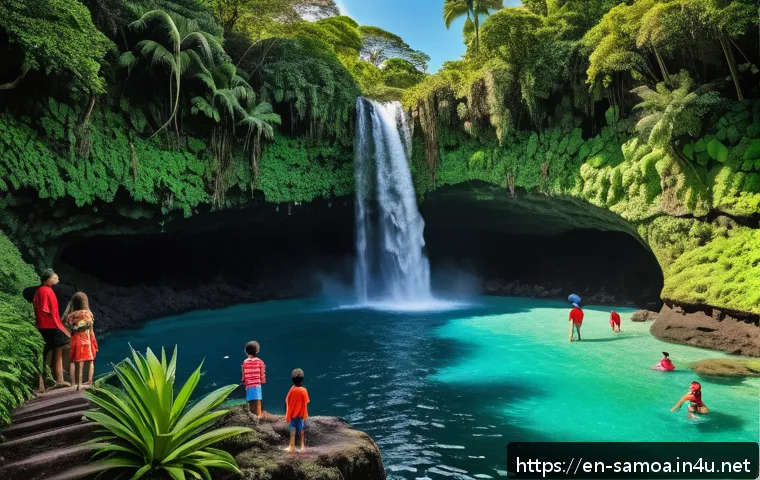
Avoid isolated areas after dark and use reputable transportation options. Also, natural hazards like strong ocean currents can pose risks, so swimming only in designated safe areas is crucial.
I found that chatting with locals about safe spots and travel routes was invaluable in navigating the island confidently and worry-free.