Samoan ceremonies are best understood as living expressions of fa’a Samoa, not as attractions to be consumed. Visitors can enjoy public cultural performances and well-hosted experiences, but private family or village occasions may require an invitation and careful observance of local protocol.
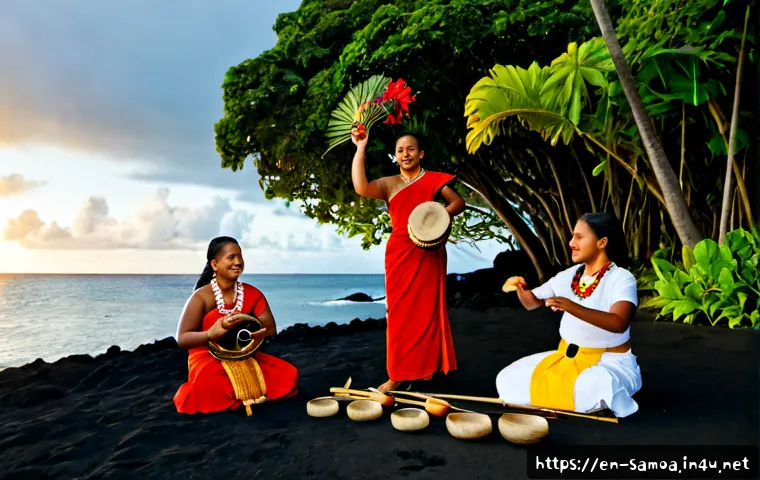
The key is to choose a cultural tour, local guide, heritage stay, or museum visit that explains context rather than promising access to ceremonies. Respectful planning also means asking about photography, dress, transport, group size, and what the experience includes.
A knowledgeable host can help visitors understand why seating, speaking order, and community leadership matter. When in doubt, observe quietly, follow the host’s guidance, and accept that some moments are not for visitors.
At a Glance
- Public cultural performances may be designed for visitors, while family and village ceremonies can be private or invitation-based.
- The ava ceremony, matai title events, and fa’alavelave are connected to rank, family responsibilities, and established protocol.
- Choose cultural experiences that clearly explain local leadership, inclusions, visitor expectations, and photography rules.
| Experience Type | Best For | What to Check Before Choosing |
|---|---|---|
| Guided cultural tour | Visitors wanting an introduction to Samoan customs | Who leads it, what cultural context is explained, transport, group size, and itinerary details |
| Local guide | Travelers who need help understanding protocol and place | Whether the guide has clear local connections and explains limits on access |
| Heritage stay or community-based experience | Visitors seeking a slower, host-led cultural exchange | Host expectations, family privacy, meals, participation, and cancellation terms |
| Museum or cultural performance | People who prefer a structured public setting | Program focus, accessibility, timing, and whether recording is allowed |
What Samoan Ceremonial Life Represents
Fa’a Samoa: Family, Respect, Service, and Community
Fa’a Samoa means the Samoan way of life. It centers on family, community responsibility, respect, service, and cultural protocol. Ceremonial life is therefore not separate from everyday relationships. It reflects how families represent one another, how leadership is recognized, and how communities respond to important life events.
Why Protocol Matters More Than Performance
A ceremony may include beautiful food, speeches, music, dance, and fine mats, but these visible elements do not tell the whole story. Protocol can shape who speaks, where people sit, how gifts are presented, and who participates. A visitor does not need to know every detail in advance, but should avoid assuming that a formal gathering is open for casual participation.
The Difference Between Public Cultural Displays and Private Occasions
A public cultural performance, museum program, or clearly advertised community experience may be suitable for travelers. A wedding, funeral, title ceremony, or family gathering may be part of private community life. The respectful question is not “Can I get access?” but “Is this event intended for visitors, and what does the host ask of guests?” A responsible Samoa tour guide should be comfortable explaining that some occasions are not available as tourism products.
Key Ceremonies and Customs Visitors May Hear About
The Ava Ceremony and Its Formal Roles
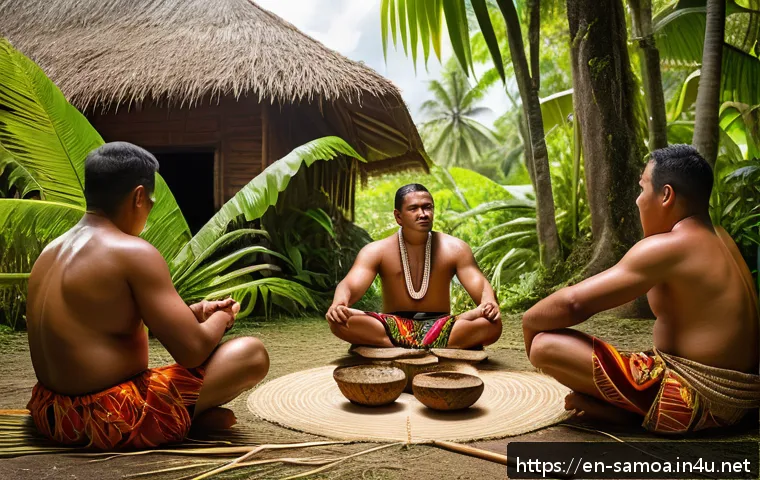
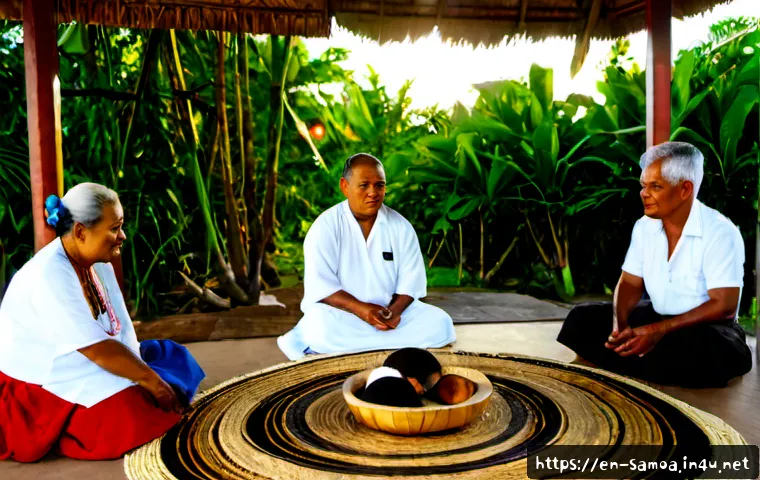
The ava ceremony is a formal ritual in which ava, a drink made from kava root, is prepared and served according to established roles and rank. It is not simply a beverage service. Its meaning comes from the formality of the occasion, the people involved, and the order in which the ritual takes place. If you are present by invitation, follow the guidance of the host rather than copying what others do or treating the ritual as a photo opportunity.
Matai Titles and Saofa’i Ceremonies
Matai are titleholders with important leadership and representation roles within extended families and village life. A saofa’i is the formal bestowal of a matai title. It may involve speeches, gifts, family participation, and village protocol. For visitors, this is a useful reminder that a title ceremony carries family and community significance beyond what can be captured in a short itinerary.
Fa’alavelave, Weddings, Funerals, and Community Obligations
Fa’alavelave describes family and community obligations linked to major life events, including weddings, funerals, and title ceremonies. These obligations show how family networks support one another. Visitors should not treat such events as scheduled entertainment. If a local host mentions an obligation affecting a plan, flexibility and understanding are more respectful than pressure for a fixed tourist schedule.
Dance, Music, Food, and Gift-Giving in Formal Gatherings
Formal Samoan occasions often include oratory, the presentation of fine mats, food sharing, music, and dance. These can be meaningful parts of a public cultural program as well as family and village events. Context matters: the same broad element can have different significance depending on the village, family, denomination, event type, and status of those attending.
Comparing Cultural Experiences: Tours, Local Guides, and Heritage Stays
What a Responsible Cultural Tour Should Explain
A strong cultural tour should explain what visitors will actually see and what they are expected to do. Look for clear information about the host or local leadership, the purpose of the visit, transport arrangements, timing, and whether photography is permitted. The best experience is not necessarily the one that promises the most access; it is the one that treats local customs with clarity and care.
Guided Village Visits Versus Museum and Performance Experiences
A guided village visit can offer direct context when it is appropriately hosted. A museum visit or public performance can be a better choice for travelers who want a structured setting without entering private community space. Neither option is automatically more “authentic.” Choose based on your comfort level, the amount of guidance provided, and whether the experience respects the difference between cultural education and private ceremony.
Price and Value Questions to Ask Before Booking
Current prices for Samoa cultural tours, homestays, guides, and transport vary and should be confirmed directly. Instead of comparing only the headline cost, ask what is included: transport, meals, entry, guide services, timing, group size, and cancellation conditions. If an experience involves community participation, ask whether the itinerary is confirmed with local hosts rather than assuming access is guaranteed.
How to Avoid Experiences That Misrepresent Local Customs
Be cautious when an operator markets private ceremonies as if they are guaranteed attractions. Also question vague descriptions that do not identify who leads the experience or what visitors are expected to do. A respectful operator should be transparent about boundaries, not encourage disruptive behavior, and avoid presenting fa’a Samoa as a staged product with no connection to family or community life.

Visitor Etiquette: Practical Steps and Common Mistakes to Avoid
Modest Dress, Seating, Greetings, and Respectful Behavior
Choose modest clothing for cultural and village settings, then confirm specific dress expectations with your host because requirements can differ. Do not assume you may sit anywhere, speak at any time, or join a formal activity without being invited. A simple approach works well: arrive calmly, listen first, and let the host explain what is appropriate.
Photography and Recording: Ask Before Assuming Permission
Photography, video recording, and social-media posting may not be permitted at a particular event. This is especially important during formal, family, or village occasions. Ask before taking out a camera, and accept a no without debate. Permission for one part of a visit does not automatically apply to every person, ritual, or gathering.
Gifts, Fees, Donations, and When to Follow a Host’s Guidance
Do not guess about gifts, fees, or donations. If a cultural experience includes a stated fee, review what it covers before booking. If you are invited into a family or community setting, follow the guidance of the local host or guide about any appropriate contribution. This avoids turning a gesture of respect into an awkward or poorly timed exchange.
Why Arriving With a Local Guide Does Not Guarantee Access
A local guide can provide valuable context, but cannot override family decisions, village protocol, or the privacy of an event. Plans may change because ceremonies and community obligations are not built around visitor schedules. A guide who explains this openly is demonstrating professionalism, not offering less value.
Choosing a Respectful Cultural Experience: A Final Comparison Checklist
Before booking, check who leads the experience, whether local community involvement is clearly described, and what the itinerary includes. Confirm transport, meeting details, group size, accessibility needs, cancellation terms, and any dress or photography expectations. Choose a small-group, private, or family-friendly format only when those terms are clearly defined rather than implied. If an event appears private, sensitive, or uncertain, the respectful choice may be to decline politely and select a public cultural performance, museum visit, or host-approved activity instead. For official details and current booking conditions, check the relevant tour, guide, heritage stay, or venue page directly.
In Closing
Learning about Samoan ceremonies begins with respect for fa’a Samoa and the relationships it represents. Public cultural experiences can be rewarding when they provide context and are led responsibly. Private events deserve extra care because their purpose is family and community life, not visitor entertainment. Ask thoughtful questions, follow the host, and let cultural boundaries guide your choices.
Useful Things to Know
1. Protocols can differ by village, family, denomination, event type, and the status of attendees.
2. An invitation matters; it should never be assumed.
3. A clear itinerary is helpful, but it cannot replace a host’s guidance on the day.
4. Asking before photographing is one of the simplest signs of respect.
Important Notes
Exact ceremony schedules, visitor access rules, dress requirements, participation expectations, photography permissions, and current prices should be confirmed for the specific village, family event, guide, tour, or accommodation. This guide offers general cultural context and should not be used as a substitute for instructions from local hosts or event organizers.
Frequently Asked Questions
Q1. Can visitors attend a traditional Samoan ceremony?
A1. Sometimes, but it depends on the ceremony and the host. Public performances or organized cultural experiences may welcome visitors, while family and village occasions can require an invitation or may not be appropriate for observation. Ask a local host or guide rather than assuming access.
Q2. How much do Samoa cultural tours and local guides usually cost?
A2. Current prices vary and should be checked directly with the provider. Compare what is included, such as transport, meals, guide services, group size, entry arrangements, and cancellation terms, instead of relying only on a listed price.
Q3. Is it respectful to take photos during an ava ceremony or village event?
A3. Do not assume photography is allowed. Permission can depend on the particular ceremony, family, village, and host. Ask before taking photos or recording, and follow any instruction about sharing images online.