Travelers heading to Samoa are discovering more than just stunning beaches and vibrant culture—navigating its roads presents a unique adventure of its own.
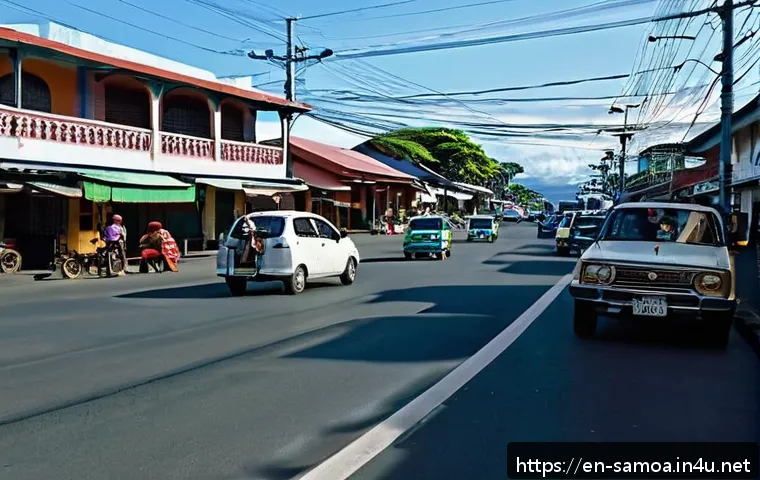
With recent infrastructure improvements and an influx of tourists eager to explore, understanding local driving nuances has never been more essential.
Whether you’re renting a car or hopping on a scooter, mastering these essential driving tips will ensure your journey is not only safe but also smooth and enjoyable.
Stick around as we dive into practical advice that will help you confidently tackle Samoa’s distinctive roads and make the most of your island experience.
Getting Acquainted with Samoa’s Left-Hand Traffic
Adjusting to Left-Side Driving
Driving on the left side of the road can throw many visitors off balance, especially those from countries where right-side driving is the norm. When you first sit behind the wheel in Samoa, the instinct to veer right might be strong, but staying vigilant is key.
I remember my first few minutes driving there felt like a dance—each intersection requiring double checks and slow, deliberate moves. Taking it slow not only helps you adapt but also minimizes the risk of mishaps in unfamiliar traffic flow.
Vehicle Controls and Road Positioning
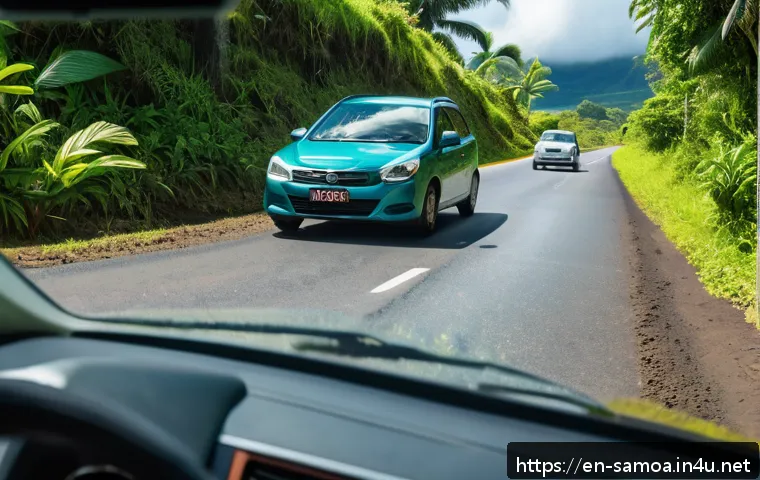
Most rental cars in Samoa have the driver’s seat on the right side, which might feel odd at first glance but actually aids in judging distance on narrow roads and during overtakes.
I found this setup surprisingly intuitive after a short adjustment period. Keep in mind that the steering wheel placement affects how you judge the edge of the road and other vehicles.
When passing, especially on narrow or winding roads, it’s safer to wait for clear visibility rather than rushing forward.
Common Left-Hand Driving Mistakes to Avoid
One common pitfall is forgetting to look right first at junctions or pedestrian crossings, which caught me off guard early on. Also, when turning, many newcomers instinctively turn into the wrong lane before realizing the directional flow is reversed.
Staying mentally alert and rehearsing the rules can prevent these errors. If you’re riding a scooter, extra caution is necessary since balancing while adjusting to left-side traffic adds complexity.
Navigating Samoa’s Varied Road Conditions
From Paved Roads to Unsealed Tracks
Samoa’s road network is a mix of well-maintained highways and rugged, unsealed rural roads. While the main routes connecting Apia to popular beaches are generally smooth, venturing into the countryside means encountering potholes, loose gravel, and occasional mud patches.
I personally found that slowing down on these less predictable surfaces was not just safer but also let me enjoy the lush surroundings without stress.
Weather Impact on Road Safety
Tropical rains can turn even paved roads slippery and cause minor flooding, especially during the wet season. After a heavy downpour, it’s common to see debris or fallen branches scattered across the road.
Driving cautiously and avoiding sudden braking or sharp turns can save you from skidding. It’s wise to check local weather updates before heading out and to be prepared to adjust plans if conditions worsen unexpectedly.
Local Wildlife and Road Hazards
Keep an eye out for animals crossing, such as chickens, dogs, or even stray pigs, which are surprisingly common on rural roads. I once had to brake suddenly for a hen that darted across a narrow road, reminding me that unpredictability is part of the driving experience here.
Staying alert and driving at moderate speeds is the best way to react safely to these sudden obstacles.
Understanding Samoa’s Traffic Rules and Road Etiquette
Basic Traffic Laws You Must Know
Samoa enforces standard rules like speed limits, seatbelt use, and zero tolerance for drunk driving, with police checkpoints often set up near towns and tourist spots.
Speed limits typically range from 40 km/h in villages to 80 km/h on highways. From firsthand experience, following these limits is crucial—not only for safety but also because fines can be hefty and police are quite vigilant.
Respecting Local Driving Customs
Samoans tend to drive with a relaxed attitude but show respect through courteous gestures like flashing headlights or hand waves when yielding. I noticed that locals rarely honk aggressively and often give way to pedestrians even where crosswalks aren’t marked.
Mimicking this respectful behavior helps avoid misunderstandings and fosters goodwill on the road.
Parking and Fueling Tips
Parking in town centers like Apia can be tricky due to limited spaces, so arriving early or using designated lots is advisable. Fuel stations are sparse in rural areas, so I always made sure to top up whenever possible, especially before heading on long journeys.
Most stations accept cash, so carrying small bills is handy.
Renting Vehicles and Choosing the Right Ride
Car Rentals vs. Scooter Rentals
For those wanting maximum flexibility, renting a car is a solid choice, especially for families or groups. Cars offer protection from sudden weather changes and more storage for beach gear or shopping.
However, scooters are a fun, budget-friendly option for solo travelers or couples, letting you breeze through traffic and discover hidden spots. I tried both, and while scooters are exhilarating, they demand more caution on uneven roads.
Checking Rental Conditions and Insurance
Before committing, it’s essential to scrutinize rental agreements. Look for insurance coverage, mileage limits, and fuel policies. I once faced unexpected charges due to damage that wasn’t clearly documented at pickup, so taking photos before and after the rental is a lifesaver.
Also, confirm if the rental company provides roadside assistance—it can be a huge relief in remote areas.
Essential Gear and Accessories
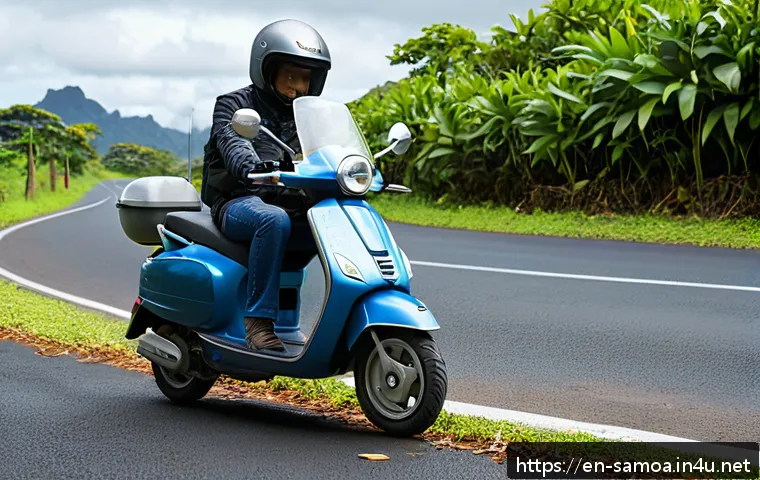
If you opt for a scooter, helmets are mandatory and usually provided, but double-check their condition. For cars, having a GPS or a reliable map app downloaded for offline use is invaluable since some areas have spotty mobile signals.
Carrying a small emergency kit, including a flashlight and basic tools, is a smart precaution based on my experience driving in more isolated spots.
Dealing with Emergencies and Roadside Assistance
Emergency Contacts and Services
Samoa’s emergency number for police and medical assistance is 999. While response times are reasonable in urban areas, rural locations may require more patience.
It’s helpful to have contact numbers of your rental company and a local friend or guide saved in your phone. When I faced a flat tire on a remote road, having these contacts made the situation much less stressful.
Handling Minor Breakdowns
Breakdowns aren’t uncommon, especially on rough roads. If your vehicle stalls, try to move it off the road to avoid blocking traffic. Using hazard lights is crucial to alert other drivers.
In my case, a simple tire puncture was quickly fixed thanks to a local mechanic I called through the rental company’s assistance line.
Safety Precautions During Night Driving
Night driving in Samoa is generally discouraged unless necessary due to limited street lighting and potential wildlife crossings. If you must drive after dark, reduce speed significantly and use high beams cautiously to avoid blinding oncoming traffic.
Personally, I preferred arranging transport or staying overnight rather than risking unfamiliar routes in the dark.
Essential Road Signs and Their Meanings in Samoa
Common Road Signs to Recognize
Although Samoa’s road signs are mostly standard international symbols, some unique signs highlight local hazards like “wildlife crossing” or “narrow bridge.” Understanding these ensures you’re prepared for sudden changes in road conditions.
For example, a “single lane bridge” sign means you must yield to oncoming traffic, a nuance I learned the hard way during my first drive.
Speed Limit Indicators and Enforcement
Speed limits are clearly marked, but some areas might have faded signs or none at all, especially in villages. It’s best to adhere to the general guidelines and watch for police presence.
I found that locals often drive slower than the posted limits in crowded or pedestrian-heavy areas, setting a good example for cautious driving.
Warning and Informational Signs
You’ll frequently encounter signs warning of sharp bends, steep gradients, or roadworks. These are especially important on Samoa’s hilly terrain. Informational signs also direct travelers to popular landmarks and facilities, which is handy when navigating without GPS.
Paying attention to these signs helped me avoid tricky spots and made my journey less stressful.
Practical Tips for Enhancing Your Driving Experience
Planning Routes and Timing Your Drives
Traffic congestion can occur in Apia during morning and late afternoon rush hours, so planning trips outside these windows can save time and frustration.
Using apps or asking locals about current road conditions is invaluable. I preferred starting early in the day to maximize sightseeing and avoid the midday heat.
Interacting with Local Drivers
Friendly nods and patience go a long way. In tight spots, locals often communicate with hand signals or horn taps. Understanding these subtle cues helped me merge smoothly and avoid confusion.
It’s a reminder that driving in Samoa is as much about social interaction as following rules.
Staying Comfortable and Prepared
Given Samoa’s warm climate, keeping water, sunscreen, and sunglasses within easy reach is essential. I also recommend wearing comfortable clothes and shoes suitable for quick stops or unexpected walks.
Having a playlist or podcast ready can make long drives more enjoyable and keep your energy up.
| Aspect | Key Tips | Personal Notes |
|---|---|---|
| Left-Hand Traffic | Stay slow at first, look right at junctions, practice turns carefully | Felt awkward initially but became natural after a day of driving |
| Road Conditions | Expect mixed surfaces, slow down on gravel, watch for debris after rain | Slowing down helped me avoid slipping on muddy patches |
| Vehicle Rental | Check insurance, inspect car, take photos, confirm roadside help | Saved me from a dispute over minor scratches |
| Emergency | Know emergency numbers, keep rental contacts handy, use hazard lights | Contacting rental help resolved a tire issue quickly |
| Local Etiquette | Respect courteous gestures, avoid aggressive honking, yield to pedestrians | Following locals’ calm style made driving less stressful |
In Conclusion
Driving in Samoa offers a unique blend of challenges and charm, especially with its left-hand traffic and varied road conditions. Taking the time to adjust and respect local customs makes the experience safer and more enjoyable. With proper preparation and awareness, exploring this beautiful island by road becomes a rewarding adventure. Trust me, patience and attentiveness go a long way here.
Useful Information to Remember
1. Always start driving slowly and consciously, paying close attention to traffic from the right at intersections.
2. Be prepared for diverse road surfaces, from smooth highways to gravel and muddy tracks, and adjust your speed accordingly.
3. Carefully review rental agreements, document vehicle condition, and ensure you have roadside assistance contacts handy.
4. Know the emergency numbers and keep important contacts accessible in case of breakdowns or accidents.
5. Embrace local driving etiquette by being courteous, avoiding aggressive behaviors, and yielding to pedestrians whenever possible.
Key Takeaways for Safe and Enjoyable Driving
Understanding Samoa’s left-hand traffic system and adapting gradually is essential to prevent common mistakes. Awareness of road conditions and weather impacts helps you navigate safely through rural and urban areas alike. Renting vehicles with clear insurance policies and roadside support reduces stress during your trip. Respecting local customs and traffic laws not only ensures safety but also enhances your connection with the community. Lastly, always be prepared for emergencies by knowing contacts and practicing caution, especially when driving at night or in remote locations.
Frequently Asked Questions (FAQ) 📖
Q: uestions about Driving in SamoaQ1: Is it necessary to have an international driving permit (IDP) to drive in Samoa?
A: Yes, it is highly recommended to carry an international driving permit along with your valid home country driver’s license when driving in Samoa. While some rental companies might accept your foreign license alone, having an IDP ensures you comply with local laws and can avoid potential fines.
Also, it helps with communication if you’re stopped by local authorities, as the IDP translates your license details into English.
Q: What side of the road do they drive on in Samoa, and how should I adjust if I’m from a country that drives on the right?
A: Samoa drives on the left side of the road, similar to countries like the UK, Australia, and New Zealand. If you’re used to driving on the right, take extra care, especially at intersections and roundabouts.
It’s a good idea to practice in a quiet area before hitting busier roads. Always remember to keep left, and be mindful that the steering wheel will be on the right side of the vehicle, which might feel unusual at first.
Q: Are the roads in Samoa safe and well-maintained for tourists driving rental cars or scooters?
A: Samoa has been investing in improving its infrastructure, so many main roads are now in good condition. However, some rural or less-traveled areas might still have narrow, winding, or uneven roads.
When renting a scooter or car, it’s wise to choose vehicles suited for these conditions and drive cautiously, especially during or after rain when roads can be slippery.
Locals tend to drive at moderate speeds, so matching their pace and staying alert will enhance your safety and enjoyment.