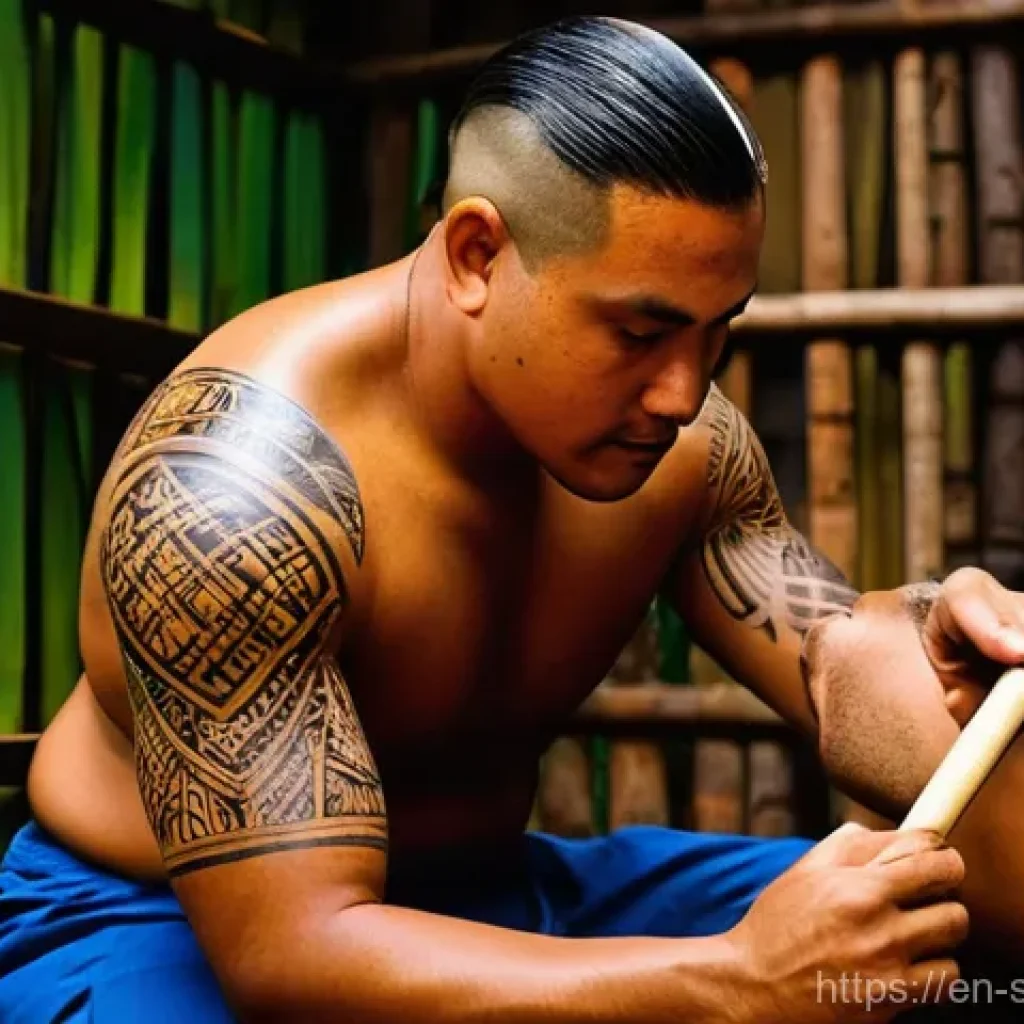
Hey there, tattoo enthusiasts and culture explorers! Have you ever looked at a truly incredible piece of body art and just *felt* the story behind it, even if you couldn’t quite put your finger on it?
That’s exactly how I feel about traditional Samoan tattoos, known as *tatau*. These aren’t just ink on skin; they’re living histories, etched with profound cultural significance that connects generations.
In an increasingly globalized world, understanding and respecting these ancient art forms has become more important than ever, especially with the growing interest in indigenous traditions.
We’re seeing a beautiful resurgence and appreciation for the deep artistry and narratives embedded within the *pe’a* for men and *malu* for women, but it’s crucial to approach this with knowledge and respect.
It’s about more than just aesthetics; it’s about identity, lineage, and a spiritual connection that transcends time. If you’re genuinely curious about the incredible depth behind these iconic designs and want to move beyond superficial understanding, you’ve definitely landed in the right spot.
I’ve personally spent countless hours diving into the incredible stories these patterns tell, and I’m so excited to share what I’ve learned about the true essence of Samoan *tatau* with you.
You know, the mesmerizing patterns of Samoan traditional tattoos aren’t just striking to look at; each line, curve, and symbol carries a profound layer of meaning, weaving together tales of family, status, courage, and spiritual connection that have been passed down through generations.
It’s truly incredible how an art form can encapsulate an entire cultural identity and personal journey, making every single *tatau* a unique, living autobiography of the wearer.
From the intricate designs that reflect one’s lineage to the powerful motifs representing life’s challenges and achievements, understanding these meanings is like unlocking a secret language spoken directly from the soul.
Ready to uncover the powerful stories etched in ink? Let’s dive deeper and discover the true essence of Samoan *tatau*.
The Sacred Canvas: More Than Just Skin Deep

When you really dig into the heart of Samoan tatau, you quickly realize it’s about so much more than just a cool design or a trendy statement. What I’ve personally come to understand, after countless hours immersing myself in this incredible tradition, is that the skin isn’t just a surface; it’s a sacred canvas, a living scroll where the deepest parts of a person’s identity and their connection to their heritage are permanently etched. It’s truly a profound thought, isn’t it? Imagine carrying your entire life story, your family’s history, and your community’s values, not in a book, but right there, on your very being. Every single line, every meticulously placed motif, it all contributes to a narrative that speaks volumes without uttering a single word. It’s a commitment, a spiritual journey, and a public declaration of who you are and where you come from, recognized and respected by your entire community. This isn’t just a personal choice; it’s a living testament to an ancient heritage that continues to thrive and evolve.
Unraveling the Threads of Identity
You know, when I first started learning about tatau, I was struck by how intimately these designs are tied to one’s identity. It’s not like picking a design from a flash sheet; each tatau is profoundly personal, crafted to reflect the individual’s lineage, their accomplishments, and their place within the social fabric of Samoa. The patterns, which may seem purely aesthetic to an outsider, are actually a complex language, telling stories of ancestry, courage, and responsibility. I remember reading about how the specific placement and intricacy of certain motifs can indicate a person’s family connections, their village, or even their rank within the community. It’s like wearing your family tree and your personal achievements for all to see, a powerful visual resume of your life’s journey. It’s a truly humbling thought, carrying such a deep and visible representation of your identity every single day, and it fosters an incredible sense of belonging and pride.
The Spiritual Resonance of Each Stroke
Honestly, what really captivated me about Samoan tatau isn’t just the visible artistry, but the almost palpable spiritual resonance that accompanies each stroke. The process itself is steeped in ritual and sacredness, transforming the act of tattooing into a profound spiritual experience. It’s believed that the tatau serves as a spiritual conduit, connecting the individual to their ancestors and to the divine. There’s a deep respect for the pain endured, which isn’t seen as mere physical discomfort but as a purification, a sacrifice that strengthens the spirit and solidifies one’s commitment to their culture and heritage. I’ve often thought about the incredible mental fortitude it must take to undergo such a demanding process, knowing that each tap of the comb is not just marking your skin, but etching a deeper connection to something far greater than yourself. It’s a transformative experience, leaving not just an indelible mark on the body, but a lasting imprint on the soul, carrying blessings and protection from the spiritual realm.
The Enduring Journey: Pain, Patience, and Purpose
Stepping into the world of traditional Samoan tatau is to truly embrace a journey that demands incredible resilience, unwavering patience, and a profound sense of purpose. This isn’t a quick appointment; it’s a multi-day, sometimes multi-week, commitment that tests the spirit as much as it adorns the body. I’ve heard firsthand accounts that describe the process as an intense, almost meditative ordeal, where the rhythmic tapping of the tattooing combs becomes a hypnotic beat. The endurance shown by individuals undergoing tatau is legendary, a testament to their dedication to their culture and their willingness to embrace discomfort for a deeper, lifelong meaning. It’s a powerful statement in a world where instant gratification often reigns supreme. Every single session, every moment of pain, every single tap, is interwoven with stories of ancestors who endured the same, connecting the recipient to a timeless lineage of strength and pride. It’s an initiation, a transformation, and a bond that runs deeper than the skin.
The Master Artisan: Tufuga Ta Tatau’s Sacred Role
You know, the person behind the tatau is not just an artist; they are a Tufuga ta Tatau, a master artisan whose role extends far beyond mere craftsmanship. They hold a sacred position within Samoan society, inheriting generations of knowledge, skill, and spiritual understanding. I’ve learned that these masters undergo years of rigorous training, not just in the intricate patterns and techniques, but also in the protocols, chants, and cultural nuances surrounding the tatau process. They are the keepers of tradition, the storytellers through ink, and the spiritual guides who ensure the integrity and sacredness of each piece. It’s an immense responsibility, trust me, as they are essentially etching a person’s identity and connection to their heritage onto their very being. The respect accorded to a Tufuga ta Tatau is immense, and rightly so, for they are facilitating a profound rite of passage, linking the past, present, and future through their skilled hands and deep cultural wisdom. Their hands are not just tools; they are instruments of cultural preservation and spiritual connection.
Tools of Tradition: A Symphony of Skill and Sacrifice
When you imagine a traditional tattooing session, you might picture buzzing machines and sterile needles. But with Samoan tatau, it’s an entirely different world, one rooted in ancient techniques and handmade tools. The primary instruments, known as au (pronounced “ow”), are meticulously crafted from materials like turtle shell, bone, or wood, and hafted onto a wooden handle. These are then tapped with a mallet, known as a sausau, to drive the pigment into the skin. I’ve watched documentaries showcasing this process, and the precision and rhythm involved are absolutely mesmerizing. It’s a symphony of skill, patience, and a deep understanding of the human body. The ink itself is traditionally made from the soot of candlenut (lama) mixed with water or sugar cane juice. It’s a powerful reminder that this art form is deeply connected to the natural world and has been refined over centuries. This traditional method, while incredibly demanding for both the artist and the recipient, is what gives tatau its unique character and profound authenticity. It speaks volumes about the dedication and respect ingrained in every aspect of this cultural practice.
Echoes of Ancestry: *Pe’a* and *Malu* Unveiled
When we talk about Samoan tatau, we’re often speaking in broad strokes, but it’s crucial to understand that there are distinct forms that carry unique meanings and are designated for different genders. The two most prominent are the pe’a for men and the malu for women. These aren’t just different patterns; they represent entirely separate journeys, responsibilities, and expressions of identity within Samoan society. It’s a beautiful reflection of how deeply culture is woven into the very fabric of life, and how even body art serves to reinforce societal roles and personal growth. I’ve always found it fascinating how these traditions so clearly define the transition from youth to adulthood, marking individuals with symbols of their readiness to take on the burdens and joys of community life. Understanding the nuances between the pe’a and malu truly opens up a deeper appreciation for the structured yet profoundly personal nature of Samoan cultural expression. It’s a testament to the enduring power of these ancestral markings.
The *Pe’a*: A Man’s Rite of Passage
The pe’a is perhaps the most widely recognized form of Samoan tatau, a full body tattoo for men that covers the lower back, buttocks, and extends down to the knees. Trust me, it’s an incredibly extensive and arduous process, taking weeks to complete. Historically, receiving a pe’a was a paramount rite of passage, signifying a young man’s transition into full adulthood and his readiness to serve his family and community with courage and strength. The intricate designs are rich with symbolism, reflecting leadership, protection, and a deep connection to ancestry. A man who successfully endures the pe’a is known as a soga’imiti, a title of immense respect and honor, indicating his bravery and commitment. I’ve heard stories that a man without his pe’a was traditionally considered incomplete, unable to hold certain positions of authority or fully participate in cultural ceremonies. It’s not just a tattoo; it’s a living testament to resilience, cultural pride, and the sacred duties a man carries throughout his life.
The *Malu*: Embodying Feminine Strength and Grace
While often less visible in mainstream media, the malu for women is equally profound and significant. Covering the thighs from just below the buttocks to the knees, its patterns are typically finer and more delicate than the pe’a, yet no less powerful in their meaning. The malu symbolizes a woman’s maturity, her grace, her commitment to family, and her role as a caretaker and nurturer within the community. It represents her ability to embrace life’s responsibilities and to lead with quiet strength. Women who bear the malu are seen as embodying the essence of Samoan womanhood, earning deep respect for their dedication and resilience. I personally find the malu to be a beautifully understated yet incredibly potent symbol, speaking volumes about the inherent strength and foundational role of women in Samoan culture. It’s a personal declaration of identity, heritage, and the vital contributions women make to the enduring legacy of their people. It’s a breathtaking demonstration of strength and feminine power, etched with dignity and pride.
| Feature | *Pe’a* (Male Tattoo) | *Malu* (Female Tattoo) |
|---|---|---|
| Recipient | Men (Soga’imiti) | Women |
| Location | Lower back, buttocks, thighs, down to knees | Thighs, from just below buttocks to knees |
| Symbolism | Leadership, courage, protection, lineage, service to community | Maturity, grace, nurturing, family commitment, inner strength |
| Design Style | Typically bolder, larger patterns | Often finer, more delicate patterns |
| Cultural Significance | Rite of passage into full manhood, earns high respect and traditional authority | Marks transition to womanhood, signifies respect and vital role in family and community |
Navigating the Modern World: Respect and Revival
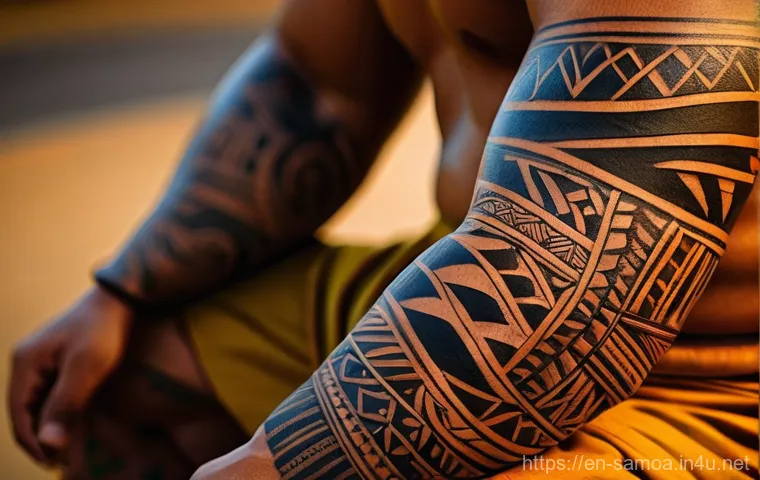
It’s truly fascinating to observe how ancient traditions like Samoan tatau are finding their place in our increasingly interconnected modern world. On one hand, there’s this incredible surge of global interest, a beautiful recognition of its artistic and cultural significance. On the other hand, this spotlight brings with it the crucial responsibility to approach tatau with the utmost respect and understanding, distinguishing genuine appreciation from superficial appropriation. I’ve personally witnessed the growing curiosity, and it makes me hopeful that more people are seeking to understand the deep roots of these practices rather than just seeing them as “cool” designs. It’s a delicate balance, preserving the sacredness of a tradition while allowing it to be seen and admired by a wider audience. The revival of tatau within Samoan communities, both in the islands and in the diaspora, is a powerful testament to its enduring importance, a way to maintain identity and connection to heritage in a rapidly changing world.
Cultural Appreciation vs. Appropriation: Drawing the Line
This is a big one, and honestly, something I feel strongly about. In an era where cultural elements can so easily be plucked from their context and commercialized, understanding the line between appreciation and appropriation is absolutely critical when it comes to tatau. True appreciation means educating yourself, understanding the deep meanings, the spiritual significance, and the strict protocols surrounding this art form. It means recognizing that a tatau is not merely a tattoo you can just walk into any shop and get; it’s a profound cultural rite that belongs to the Samoan people. I’ve seen instances where designs are copied without any understanding or respect for their origins, and it genuinely diminishes the sacredness of the art. The key, in my opinion, is to always prioritize learning, respecting the traditions, and supporting the authentic Tufuga ta Tatau and their communities. It’s about celebrating, not simply taking. This ensures that the tradition continues to thrive with its integrity intact, benefiting the people to whom it rightfully belongs.
Safeguarding a Living Legacy for Future Generations
One of the most heartwarming aspects I’ve observed is the incredible dedication within Samoan communities to safeguard the living legacy of tatau for future generations. This isn’t just about preserving old photographs or artifacts; it’s about actively teaching, practicing, and revitalizing the art form. Young Tufuga ta Tatau are being trained, ensuring the ancestral knowledge is passed down through legitimate channels. There are cultural initiatives, educational programs, and community efforts aimed at reinforcing the profound importance of tatau as a cornerstone of Samoan identity. I believe this proactive approach is vital in a globalized world, ensuring that the unique narratives and sacred meanings behind each tatau remain vibrant and understood. It’s truly inspiring to see how communities are taking ownership of their heritage, making sure that the future generations not only inherit these beautiful traditions but also deeply understand their value and significance. This ensures that the legacy continues to inspire and connect.
My Personal Take: Why This Art Form Matters So Much
After spending so much time delving into the intricacies of Samoan tatau, I can honestly say it has profoundly shifted my perspective on body art and cultural heritage. It’s more than just a passing interest for me; it’s become a deep appreciation for an art form that encapsulates so much human experience. What really resonates with me is the sheer commitment involved – not just from the person receiving the tattoo, but from the entire community that supports and honors the tradition. In a world that often rushes us, the methodical, sacred process of tatau stands as a powerful counterpoint, reminding us of the value of patience, endurance, and profound connection to our roots. I’ve always been drawn to stories that transcend time, and tatau is undoubtedly one of the most compelling narratives I’ve ever encountered, etched not on parchment, but on living, breathing canvases. It’s a vibrant, ongoing conversation between past and present, and I feel truly privileged to have learned so much about it.
A Deep Dive into Respect and Understanding
For me, the journey into understanding Samoan tatau has been a constant lesson in respect. It’s taught me that true cultural immersion isn’t just about admiring from afar, but about making a genuine effort to understand the historical, spiritual, and social contexts that give an art form its true weight. I’ve personally made it a point to seek out reputable sources, listen to the voices of the Samoan people, and prioritize authentic narratives. This dedication to understanding helps bridge gaps and fosters a much more meaningful appreciation, one that moves beyond superficial aesthetics. It’s about recognizing the humanity, the struggle, the pride, and the enduring spirit woven into every pattern. This respectful approach is not just academically sound; it’s ethically imperative, especially when discussing traditions that are so deeply personal and sacred to a community. It truly enriches one’s own worldview and fosters a deeper sense of global citizenship.
The Unspoken Stories That Move Me
Honestly, what moves me most about tatau are the unspoken stories. The way a design can tell you about a person’s lineage, their accomplishments, or the challenges they’ve overcome, all without a single word being uttered. It’s a language of the soul, etched onto the body. I often find myself imagining the emotions and experiences that went into receiving such a profound mark, the pain endured, the pride felt, and the deep connection forged. There’s a certain gravitas, a silent power, that emanates from someone bearing a traditional tatau, a sense of carrying history on their skin. It makes you pause, reflect, and wonder about the incredible resilience of human spirit and the enduring strength of cultural identity. These aren’t just designs; they are living testaments to faith, family, and heritage, and that, my friends, is why this art form will forever hold a special place in my heart. It’s a truly powerful and humbling experience to witness.
Concluding Thoughts
And just like that, we’ve journeyed through the intricate and incredibly meaningful world of Samoan tatau. It’s been a truly humbling experience, hasn’t it? As someone who constantly explores diverse cultures and their unique expressions, I’ve found this tradition to be particularly captivating, not just for its breathtaking artistry but for the profound stories and spiritual depth it carries. It’s a living, breathing testament to an enduring heritage, a powerful reminder that some things are far more than skin deep. I genuinely hope this deep dive has given you a newfound appreciation for the resilience, commitment, and rich cultural tapestry woven into every single line and motif of a tatau. It’s a heritage that continues to inspire, connect, and thrive, and I feel so privileged to share a glimpse of its beauty with all of you.
Useful Information to Know
1. Respect is Paramount: Always remember that Samoan tatau is a sacred cultural practice, not merely a tattoo. Approach it with deep respect, understanding its historical, spiritual, and social significance.
2. Cultural Sensitivity First: If you’re interested in learning more, seek out authentic voices and resources from within the Samoan community. Avoid appropriating designs or traditions without proper knowledge and reverence.
3. The Tufuga Ta Tatau’s Role: Understand that a Tufuga ta Tatau is a master artisan and a cultural authority. Their work is a continuation of an ancient lineage, demanding immense skill, knowledge, and spiritual connection.
4. Appreciation Over Appropriation: Support Samoan artists and cultural initiatives. If you admire the art, focus on learning and celebrating, rather than simply replicating or commodifying without understanding its true context.
5. It’s a Lifelong Journey: For those who receive a traditional tatau, it’s a transformative, lifelong commitment. The markings carry ancestral blessings and responsibilities, deeply integrating the individual into their heritage and community.
Key Takeaways
Alright, let’s wrap this up with the absolute essentials you should carry with you. Firstly, Samoan tatau is an incredibly profound art form, deeply intertwined with identity, spirituality, and cultural heritage, far beyond mere aesthetics. It’s about commitment, community, and courage, with the pe’a for men and malu for women symbolizing distinct yet equally vital roles within Samoan society. The process itself, often arduous and performed by a sacred Tufuga ta Tatau using traditional tools, represents a profound rite of passage and a deep connection to ancestors. In our modern world, understanding the critical difference between cultural appreciation and appropriation is key. It’s about respecting a living legacy, supporting the people to whom it belongs, and ensuring this ancient art form continues to flourish with its integrity intact for generations to come. This tradition is a powerful narrative etched on the skin, speaking volumes about resilience, pride, and an enduring cultural spirit.
Frequently Asked Questions (FAQ) 📖
Q: So, what’s the real story behind these incredible Samoan tattoo patterns? Do they all mean the same thing, or is there more to it than just cool designs?
A: Oh, that’s such a fantastic question, and it really gets to the heart of what makes Samoan tatau so special! You know, when I first started exploring this world, I was utterly captivated by the sheer beauty, but what truly blew me away was discovering that every single line, curve, and motif isn’t just decoration; it’s a profound piece of a story.
Imagine your entire life—your family’s history, your status in the community, the challenges you’ve overcome, the achievements you’ve celebrated—all intricately woven into a wearable tapestry.
That’s what a tatau is! It’s not a ‘one-size-fits-all’ kind of deal at all. Each design is deeply personal, telling a unique narrative of the wearer’s lineage, their village, their courage, and their journey through life.
It’s truly a living biography, meticulously etched with cultural significance that connects generations. I remember talking to an elder once who explained how each symbol could represent a specific ancestor or a particular virtue, and it just clicked for me how incredibly rich and individualistic each tatau truly is.
It’s like unlocking a secret language spoken directly from the soul, making every piece a unique, living autobiography.
Q: I’ve heard there are different types of Samoan tattoos for men and women. Could you tell us more about that, and who typically gets them?
A: Absolutely! This is another fascinating aspect that truly highlights the cultural depth of Samoan tatau. Historically, and even largely today, there are distinct traditional tattoo forms for men and women, and they are both incredibly significant in their own ways.
For men, it’s the pe’a, which is an extensive tattoo that typically covers the body from the waist to just below the knees. Getting a pe’a is a seriously intense and sacred process, often taking weeks to complete, and it’s a huge rite of passage.
It signifies immense courage, strength, and commitment, marking a man’s transition into adulthood and his responsibilities to his family and community.
I’ve heard stories of the incredible endurance required, and it truly fills you with respect for those who undertake it. For women, we have the beautiful malu.
The malu is generally lighter in density and covers the area from just below the knees to the upper thighs. While it’s not as extensive or as visibly ‘heavy’ as the pe’a, its cultural significance is equally profound.
The malu symbolizes protection, honor, and a woman’s service to her family and community. It’s elegant, intricate, and deeply revered. Both the pe’a and malu are traditionally earned and bestowed, not just chosen, reflecting a deep connection to one’s heritage and standing within Samoan society.
It’s truly incredible how these tattoos embody identity, lineage, and a spiritual connection that transcends time.
Q: With so much talk about cultural appreciation versus appropriation, is it actually okay for someone who isn’t Samoan to get a traditional tatau? What should we keep in mind?
A: This is such a vital and thoughtful question, and honestly, it’s one that comes up a lot, which tells me people genuinely want to be respectful, and I totally get that!
My personal take, after diving deep into this and hearing from many cultural practitioners, is that approaching traditional tatau as an outsider requires immense respect, humility, and a deep understanding of its profound cultural and spiritual significance.
It’s not just about liking the aesthetic; it’s about honoring an entire heritage. Many traditional tattooists emphasize that tatau isn’t simply ‘ink on skin’ but a living history, a cultural identifier.
If you’re not Samoan, the most crucial step is to educate yourself thoroughly – not just a quick Google search, but truly immersing yourself in the history, meanings, and the community’s perspective.
It’s about building a respectful relationship, understanding the protocols, and recognizing that these designs carry generations of stories and responsibilities that aren’t inherently yours.
I’ve personally learned that the best approach is to seek guidance from Samoan cultural leaders or reputable, culturally endorsed tattoo artists who are deeply rooted in the tradition.
They can provide invaluable insight and ensure that any engagement is done with the utmost respect and integrity. It’s a journey of understanding and honor, not just a trip to the tattoo parlor.
If you genuinely commit to that journey, you’re moving towards appreciation rather than appropriation, and that’s a beautiful thing.