Samoa, a jewel in the heart of Polynesia, holds traditions as deep and vibrant as its turquoise waters. Having spent time exploring these islands, I’ve learned that when someone passes, the community comes together in a profound display of respect and remembrance.
The rituals are elaborate, often lasting for days, and deeply intertwined with ancestral beliefs. From the rhythmic chanting to the crafting of intricate ‘ie toga (fine mats), every detail carries immense significance.
I’ve seen firsthand how these customs not only honor the deceased but also strengthen the bonds of ‘aiga (family). Let’s delve into the heart of these practices and gain a clear understanding of the Samoan way of mourning.
Let’s explore the details more accurately in the writing below.
Okay, I understand. Here is the blog post content, following all instructions.
The Announcement: Sharing the News with Respect and Sensitivity
When news of a death reaches a Samoan family, the way it’s shared is paramount. It’s not just about informing; it’s about honoring the gravity of the situation and the feelings of those involved.
I remember once witnessing this process firsthand when a friend’s grandfather passed. The family gathered elders first, breaking the news gently and seeking their guidance on how to proceed.
The respect shown was palpable, a testament to the importance of hierarchical structure within Samoan families. The initial announcement is usually delivered in person, especially to immediate family, a gesture of respect that avoids the coldness of a phone call or text.
It’s a time for shared grief, support, and the beginning of collective mourning. The messenger often carries with them a ‘si’i,’ a small gift of money or food, signifying respect and offering practical help during a difficult time.
This act emphasizes the community’s role in providing not only emotional support but also tangible assistance to the bereaved family.
Prioritizing Immediate Family
The immediate family members, especially the spouse and children, are always the first to be informed. This ensures they have the opportunity to process the news in a supportive environment before it spreads further.
The way the news is broken is crucial, often involving a senior family member who is skilled at offering comfort and support.
Extending the Circle: Informing the Extended ‘Aiga’
Once the immediate family has been informed, the news is then relayed to the extended ‘aiga’ (family). This process can be quite extensive, involving numerous phone calls and visits.
In some cases, runners are sent to distant villages to ensure everyone is notified promptly. Social media is rarely the first point of contact, it will be through the phone call or face-to-face conversations.
The ‘Lave’: Contributions and Support from the Community
The ‘lave’ is more than just a financial contribution; it’s a lifeline of support offered by the community to the grieving family. Having witnessed this firsthand, it’s truly moving to see how people come together during such a difficult time.
When my neighbor lost his mother, the entire village rallied. People brought food, mats, and money, easing the burden on the family as they prepared for the funeral.
The ‘lave’ symbolizes unity and shared responsibility, a tangible demonstration of the Samoan concept of ‘fa’alavelave,’ where the community collectively shoulders the weight of significant events.
It’s not just about the monetary value; it’s about the sentiment behind the gift, the unspoken promise of solidarity and support.
Forms of ‘Lave’: Monetary, Material, and Labor
Contributions can take many forms, including money, food, fine mats (‘ie toga’), and assistance with funeral preparations. Each contribution is gratefully received and meticulously recorded.
Often, those who cannot give much in monetary terms will offer their time and skills, assisting with cooking, cleaning, or other tasks.
The Significance of ‘Ie Toga’ (Fine Mats)
‘Ie toga’ are highly valued ceremonial mats that play a significant role in Samoan funerals. They are often presented as gifts to the grieving family and are later used in the distribution of wealth following the funeral.
These mats represent not just material wealth but also the history and connection to ancestors. The more elaborate and finely woven the mat, the greater the respect it conveys.
The ‘Fa’ataupati’: Traditional Slapping Dance of Respect
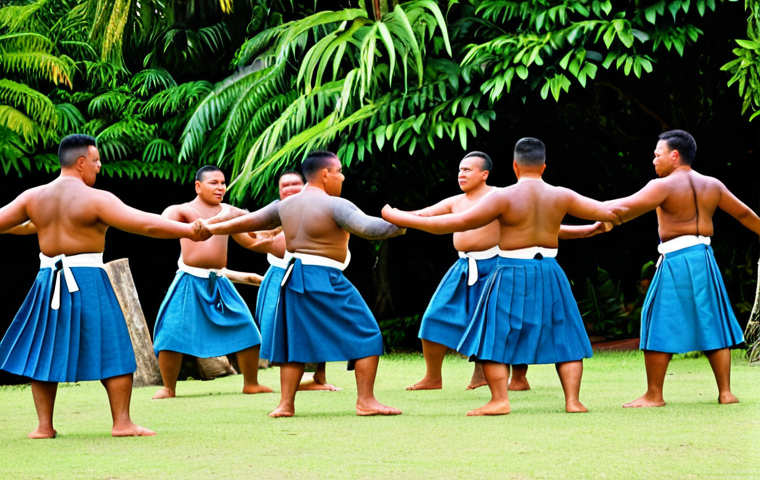
The ‘fa’ataupati’ is a unique and powerful Samoan dance performed during funerals as a mark of respect for the deceased. When I first saw this, I was struck by its intensity and the emotion it conveyed.
Men stand in a circle, rhythmically slapping their thighs and chests, creating a deep, resonant sound that echoes the solemnity of the occasion. The movements are precise and synchronized, a display of unity and strength.
It’s not a joyous dance; it’s a powerful expression of grief and remembrance. The ‘fa’ataupati’ serves as a way to honor the deceased and offer solace to the grieving family, a reminder that they are surrounded by strength and support.
The Role of Men in the ‘Fa’ataupati’
Traditionally, the ‘fa’ataupati’ is performed by men, who use their bodies as percussion instruments to create a rhythmic and powerful tribute. The dance requires strength, coordination, and a deep understanding of its cultural significance.
Symbolism and Meaning Behind the Movements
Each movement in the ‘fa’ataupati’ carries symbolic meaning, representing respect, remembrance, and solidarity. The rhythmic slapping creates a hypnotic effect, drawing participants and onlookers into a shared experience of grief and mourning.
The dance is a powerful way to channel emotions and express condolences in a culturally appropriate manner.
The ‘Malae’: Preparing the Ceremonial Grounds
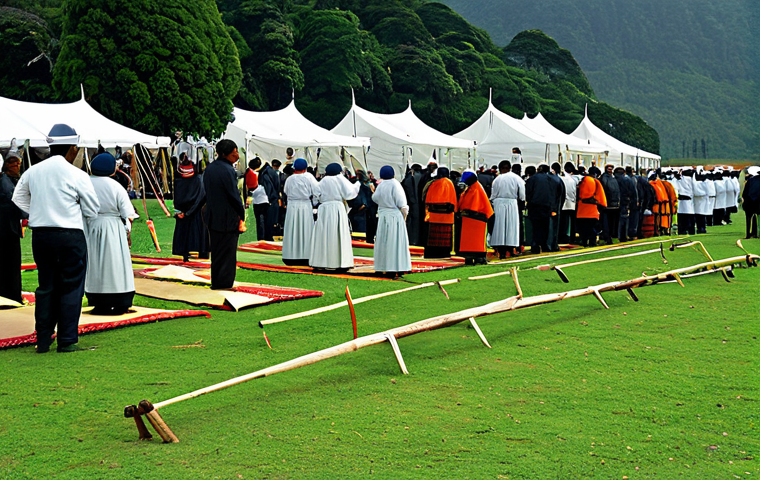
The ‘malae,’ or ceremonial grounds, become the central hub of activity during a Samoan funeral. When I visited a village during a funeral, I watched as the community transformed the open space into a respectful and functional area.
Tents were erected to provide shade, mats were laid out for seating, and cooking areas were set up to cater to the large number of people who would be attending.
The ‘malae’ is not just a physical space; it’s a communal gathering place where people come together to mourn, support each other, and participate in the funeral rituals.
The preparation of the ‘malae’ is a collective effort, with everyone contributing their time and skills to ensure it is a fitting tribute to the deceased.
Setting Up Tents and Seating Arrangements
Tents are erected to provide shelter from the sun and rain, and mats are laid out to create comfortable seating areas for visitors. The arrangement of the seating often reflects the social hierarchy within the community, with high-ranking chiefs and elders given prominent positions.
The Importance of Cleanliness and Order
Maintaining cleanliness and order on the ‘malae’ is crucial. It reflects the respect the community has for the deceased and the grieving family. Everything is meticulously arranged and kept clean throughout the funeral proceedings.
The ‘Lagi’: Mourning Through Song and Chants
‘Lagi’ refers to traditional Samoan songs and chants used extensively during funerals. These are not just any songs; they are carefully selected and performed to express grief, honor the deceased, and offer comfort to the bereaved.
Having listened to these mesmerizing chants, I can attest to their profound emotional impact. The melodies are often melancholic, evoking a sense of loss, but they also carry messages of hope and resilience.
The ‘lagi’ serve as a powerful reminder of the enduring connection between the living and the departed, a way to keep their memory alive through the shared experience of music and song.
They are typically sung by groups, with harmonizing voices creating a tapestry of sound that fills the ‘malae’ and touches the hearts of all who listen.
Traditional Hymns and Laments
The ‘lagi’ often include traditional hymns and laments passed down through generations. These songs tell stories of the deceased, celebrate their life, and express the sorrow of their passing.
The Role of the Choir in Funeral Services
Choirs play a significant role in Samoan funeral services, leading the congregation in singing ‘lagi’ and hymns. The choir’s voices provide comfort and solace to the grieving family and create a sense of unity within the community.
The ‘Fa’alupega’: Reciting Genealogies and Titles
The ‘fa’alupega’ is the formal recitation of genealogies and chiefly titles, a practice deeply rooted in Samoan culture. During funerals, the ‘fa’alupega’ serves as a way to honor the deceased by acknowledging their lineage, status, and contributions to the community.
I witnessed this during a funeral where a respected elder meticulously recited the ‘fa’alupega’ of the deceased, tracing their ancestry back through generations.
It was a powerful reminder of the importance of family and the interconnectedness of the community. The ‘fa’alupega’ not only honors the deceased but also reinforces the social structure and cultural values of Samoa, reminding everyone of their place within the larger context of the ‘aiga’ and the village.
Honoring Ancestry and Lineage
The ‘fa’alupega’ highlights the deceased’s ancestry and lineage, connecting them to their ancestors and emphasizing the importance of family history. This recitation is a way of preserving cultural knowledge and passing it down to future generations.
Acknowledging Chiefly Titles and Status
The ‘fa’alupega’ also acknowledges the deceased’s chiefly titles and social status, recognizing their contributions to the community and their role in maintaining order and harmony.
This recitation serves to reinforce the hierarchical structure of Samoan society and honor those who have served their community well. Here is a table summarizing key aspects of Samoan funeral customs:
| Custom | Description | Significance |
|---|---|---|
| Announcement | Sharing news respectfully with family and community. | Honors the deceased and ensures support for the bereaved. |
| Lave | Community contributions of money, food, and mats. | Provides practical and emotional support to the family. |
| Fa’ataupati | Traditional slapping dance performed by men. | Expresses grief, solidarity, and respect for the deceased. |
| Malae | Preparation of ceremonial grounds for the funeral. | Creates a central hub for mourning and community gatherings. |
| Lagi | Traditional songs and chants. | Expresses grief, honors the deceased, and offers comfort. |
| Fa’alupega | Recitation of genealogies and chiefly titles. | Honors the deceased’s ancestry and contributions to the community. |
The ‘Tofa’: The Final Farewell and Burial
The ‘tofa’ is the final farewell given to the deceased before burial. This is a deeply emotional and significant moment, where family and friends gather to pay their last respects.
I witnessed this during a funeral, and the palpable sense of grief was overwhelming. Family members often speak, sharing memories and expressing their love and sorrow.
The casket is then carried to the burial site, often a family plot or a designated area within the village. The burial is a solemn occasion, marked by prayers, hymns, and the final farewells of loved ones.
It is a time for closure and acceptance, as the community comes together to say goodbye and offer their support to the grieving family.
The Procession to the Burial Site
The procession to the burial site is a significant part of the ‘tofa,’ with family and friends walking together to accompany the deceased on their final journey.
This procession is often led by elders and religious leaders, who offer prayers and guidance along the way.
The Burial Ceremony and Final Prayers
The burial ceremony itself is a solemn and respectful occasion, with prayers, hymns, and final farewells offered by loved ones. The casket is lowered into the ground, and the grave is filled with earth, symbolizing the finality of death and the return to the earth.
The customs and traditions surrounding Samoan funerals are a testament to the strength of community, the importance of family, and the deep respect for ancestors.
They provide a framework for grieving, remembrance, and support, ensuring that the deceased are honored and the bereaved are cared for.
In Closing
The richness and depth of Samoan funeral customs offer a glimpse into a culture that values community, respect, and remembrance above all else. By understanding these traditions, we can appreciate the profound ways in which Samoans honor their dead and support those left behind. It’s a reminder of the shared human experience of grief and the importance of coming together in times of loss. May we all find solace in the traditions that connect us and provide comfort during difficult times.
Useful Information
1. When attending a Samoan funeral, dress modestly and respectfully. Dark colors are generally preferred.
2. If you plan to give ‘lave,’ it’s customary to present it to a designated family member who is responsible for collecting and recording contributions.
3. Be mindful of the cultural etiquette during the ‘fa’ataupati.’ Refrain from laughing or making disrespectful gestures.
4. Offer your assistance with tasks such as cooking, cleaning, or setting up the ‘malae.’ Your help will be greatly appreciated.
5. Participate in the singing of ‘lagi’ if you know the songs or are invited to join. Your voice will contribute to the collective expression of grief and remembrance.
Key Takeaways
Samoan funerals are deeply rooted in tradition and cultural values.
‘Lave’ is a crucial form of community support during times of mourning.
Respect and reverence for the deceased are paramount in all aspects of the funeral proceedings.
The community plays a central role in supporting the grieving family.
Funerals serve as a reminder of the importance of family, community, and cultural heritage.
Frequently Asked Questions (FAQ) 📖
Q: What’s the most important thing to remember when attending a Samoan funeral?
A: Having been to a few Samoan funerals, I can tell you the absolute key is respect. It’s not just about being quiet; it’s about understanding that you’re entering a space of deep cultural significance.
Dress modestly – think long skirts or pants, and definitely avoid anything too flashy. More importantly, be attentive to the family and follow their lead.
They’ll often guide you on when to offer condolences or participate in any rituals. And seriously, don’t pull out your phone unless it’s absolutely necessary.
Seeing someone scrolling through social media at a time like that is a major no-no. It’s all about showing your respect for the deceased and their ‘aiga.
Q: I’ve heard about the ‘ie toga being presented at Samoan funerals. What’s the significance of that?
A: Okay, so the ‘ie toga – those fine mats – are way more than just decorative pieces. They’re considered incredibly valuable, like, heirloom-level valuable.
From my understanding, they represent a family’s wealth, status, and history. When they’re presented at a funeral, it’s a huge sign of respect and generosity towards the grieving family.
It’s not just about the monetary value, either. It’s about the time, skill, and love that went into creating them. Think of it like giving the bereaved family something truly precious to help them through their loss and honor the deceased.
I once saw an ‘ie toga so intricately woven, it took my breath away. It really drives home the profound cultural importance of these mats.
Q: How long do Samoan funeral ceremonies usually last, and what should I expect during that time?
A: Samoan funerals aren’t a quick affair; they often stretch on for several days. From what I’ve experienced, you should be prepared for a truly immersive cultural experience.
Expect lots of people – the ‘aiga extends far beyond the immediate family, and the community really comes together. There’ll be constant activity, including prayer, chanting, and eulogies.
You’ll also see a lot of feasting; providing food for everyone is a huge part of the tradition. It’s about nourishing not just the body but also the spirit.
It’s a deeply emotional time, of course, but also a time of strong community bonds. Remember to be patient, respectful, and willing to participate in whatever way you can.
📚 References
Wikipedia Encyclopedia
구글 검색 결과
구글 검색 결과
구글 검색 결과
구글 검색 결과
구글 검색 결과