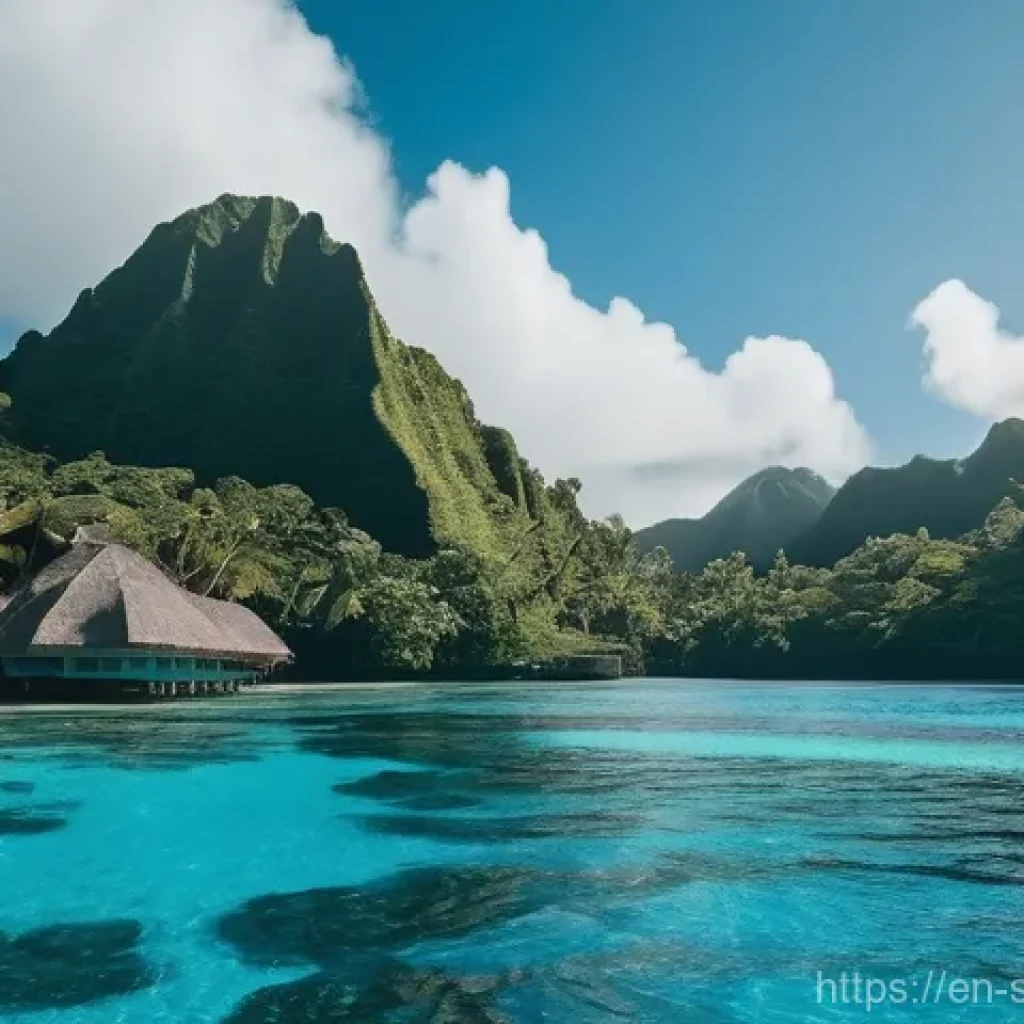
Imagine this: waking up to the gentle lapping of turquoise waves, the scent of frangipani in the air, and an entire day dedicated to gliding across crystal-clear waters.
That’s exactly the magic I found myself immersed in during my recent trip to Samoa, a true jewel of the South Pacific. Kayaking and paddleboarding here isn’t just an activity; it’s an intimate dance with nature, a chance to explore hidden coves and vibrant marine sanctuaries that truly take your breath away.
Trust me, if you’re seeking an escape that invigorates your soul and offers unforgettable moments, Samoa’s waters are calling. Ready to discover all the incredible details?
Let’s dive in deeper below! Okay, so let me tell you, stepping onto the shores of Samoa was like walking into a postcard – but *better*. I’ve traveled my fair share, chasing endless horizons, but something about this untouched South Pacific paradise just hit different.
For ages, I’d dreamt of truly disconnecting, finding a place where the rhythm of nature dictated my days, and honestly, kayaking and paddleboarding through Samoa’s unbelievably clear lagoons and meandering mangrove channels delivered that and then some.
It’s not just about the physical act of paddling; it’s the quiet awe that settles over you as you glide over kaleidoscopic coral gardens, spotting curious sea turtles effortlessly navigating their underwater world.
I mean, my heart skipped a beat more than once! There’s a beautiful trend emerging where travelers crave genuine connection, not just fleeting visits, and Samoa perfectly embodies this.
It felt like I was discovering secrets, paddling to secluded islets where the only footprints were my own, and sometimes, those of a friendly local waving from a passing *paopao*.
This place still holds onto its authentic charm, making every stroke of your paddle feel like a step back into a simpler, more profound kind of adventure.
From the vibrant village life glimpsed from the water’s edge to the feeling of absolute freedom as you navigate through calm, bath-warm seas – it’s an experience that truly recharges you.
Whether you’re a seasoned paddler or just looking for a serene escape on a stand-up paddleboard, the opportunities here are endless and incredibly rewarding.
I’ve learned a few invaluable tips firsthand about how to make the most of these waters, from finding the best spots to witnessing marine life up close, all while ensuring we tread lightly on this precious environment.
And let’s be real, who doesn’t want to find those picture-perfect moments that truly stand out? I’ll share all my insider secrets, making sure your Samoan water adventure is not just a trip, but a story you’ll be telling for years.
Let’s find out exactly how to make it happen.
Unveiling Samoa’s Aquatic Playground: Where Every Paddle Stroke Tells a Story
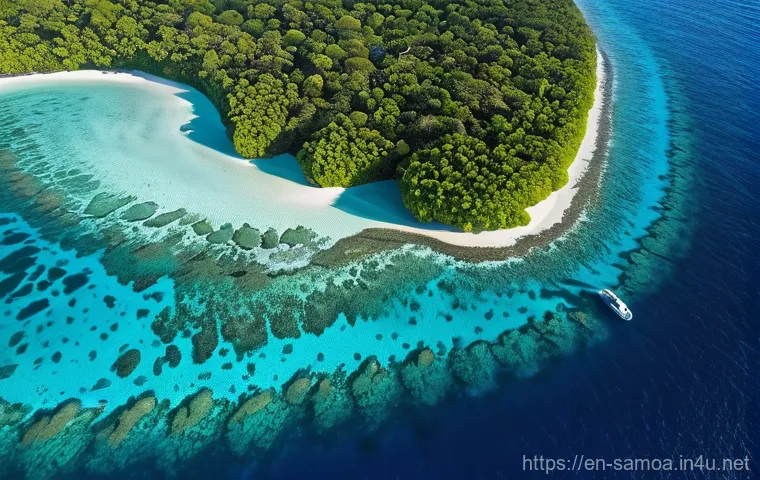
There’s a moment when you first push off from the shore in Samoa, whether it’s on a sleek kayak or a sturdy paddleboard, that just hits different. It’s not just the visual feast of emerald waters meeting lush green landscapes; it’s the absolute serenity that envelops you. I remember my first time launching near Lalomanu Beach – the water was so impossibly clear that I could see every ripple on the sand far below, every curious fish darting amongst the coral. It felt less like an activity and more like stepping into a living, breathing aquarium, all from the comfortable vantage point of my board. This is where the true magic of Samoa lies: its ability to transform a simple paddle into an immersive journey through a vibrant, untouched world. You’re not just moving across water; you’re gliding through a tapestry of life, from the gentle sway of sea anemones to the occasional, breathtaking glimpse of a majestic sea turtle gracefully navigating its domain. I spent hours just drifting, mesmerized by the sheer abundance and beauty beneath me, and honestly, time just ceased to exist. It’s moments like these that make you realize some places are just meant to be experienced from the water.
Discovering Secret Coves and Hidden Lagoons
One of the absolute joys of exploring Samoa by kayak or paddleboard is the access it grants you to places most tourists never see. Forget crowded beaches; I’m talking about secret coves tucked away behind verdant cliffs, only reachable by a small watercraft. There was one particularly unforgettable morning when I paddled into a tiny lagoon, its entrance almost completely hidden by an overhang of pandanus trees. Inside, the water was like glass, reflecting the sky perfectly, and the only sounds were the gentle dip of my paddle and the distant call of a seabird. It felt like I’d stumbled upon my own private paradise, a hidden sanctuary waiting just for me. These aren’t documented on most maps, and that’s precisely what makes finding them so exhilarating. You truly feel like an explorer, uncovering the island’s most intimate secrets one stroke at a time. This sense of discovery, of earning that breathtaking view or secluded spot, is what makes Samoan paddling so incredibly rewarding and deeply personal. It’s a treasure hunt where nature is the prize.
Gliding Over Kaleidoscopic Coral Gardens
Beneath the surface of Samoa’s waters lies an explosion of color and life that, even from above, is utterly captivating. I’ve snorkeled in many places, but seeing these vibrant coral gardens from my paddleboard offered an entirely new perspective. With the sun illuminating the shallows, the reef transforms into a living mosaic of purples, oranges, and electric blues. I remember vividly spotting a school of iridescent parrotfish nibbling on coral, their colors popping against the deeper blues. The clarity of the water means you don’t even need to get wet to witness this underwater spectacle, though trust me, you’ll be tempted! It’s an almost meditative experience, silently gliding over these delicate ecosystems, feeling a profound connection to the ocean’s intricate beauty. I often found myself pausing, just floating there, taking in the slow, rhythmic dance of the marine life below, completely lost in the moment and wishing I could just bottle up that pure, unadulterated joy. It’s an undeniable highlight of any Samoan water adventure.
Essential Gear and Smart Packing for Your Samoan Paddle Journey
When you’re planning an adventure like this, what you pack can genuinely make or break your experience. Trust me, I’ve learned this the hard way on various trips! For Samoa, a place where the sun is glorious and the water is inviting, being prepared means you can fully immerse yourself without a single worry. Beyond the obvious swimwear, I cannot stress enough the importance of high-quality sun protection. We’re talking reef-safe sunscreen with a high SPF, a wide-brimmed hat, and even a rash guard or long-sleeved swim shirt. The tropical sun here is no joke, and a bad sunburn can quickly derail your water-based fun. I personally prefer a lightweight, breathable quick-dry shirt for paddling; it protects my arms and shoulders from the sun while keeping me cool. Also, don’t forget a good pair of water shoes or sandals with sturdy soles. You’ll thank me when you’re launching from rocky beaches or exploring tidal pools. A waterproof dry bag is an absolute non-negotiable for keeping your phone, camera, and any other valuables safe and dry. I always have a small one clipped to my board or kayak, ready for any unexpected splashes or sudden downpours. These aren’t just suggestions; they’re the battle-tested essentials for truly enjoying every moment out on the water.
Choosing Your Ride: Kayak vs. Paddleboard
This is a question I get asked a lot: kayak or paddleboard? And honestly, the best choice really depends on what kind of experience you’re after. If you’re looking for stability, comfort for longer distances, and perhaps a bit more storage space for a picnic or extra gear, a sit-on-top kayak might be your best bet. They’re fantastic for leisurely explorations, and if you’re keen on fishing, some even come with rod holders. I often opt for a kayak when I’m planning a full day out, especially if I want to bring my bigger camera setup securely. On the other hand, paddleboarding offers an unparalleled sense of freedom and a fantastic core workout. The elevated vantage point gives you an incredible view into the clear waters below, making it perfect for spotting marine life. It’s also incredibly versatile – you can kneel, sit, or stand, adapting to conditions and your energy levels. If you’re confident with your balance and want to feel truly connected to the water, a paddleboard is an exhilarating choice. Many resorts offer both, so why not try each to see which one resonates most with your adventure spirit? I found myself switching between the two depending on my mood and what I wanted to see that day, truly getting the best of both worlds.
Smart Hydration and Nourishment Tips
Spending hours under the Samoan sun, paddling and exploring, means you’ll be working up a sweat – even if you don’t feel it with the refreshing ocean breeze. Staying properly hydrated is absolutely crucial, and it’s something I prioritize heavily. Always carry more water than you think you’ll need. I usually bring at least two liters for a half-day excursion, often in a reusable water bottle that I can easily reach while on my board or in my kayak. Electrolyte tablets or a sports drink can also be a game-changer, especially if you’re out for extended periods, helping to replenish what your body loses. And don’t forget snacks! High-energy, non-perishable items like trail mix, energy bars, or fresh fruit (if you can keep it from getting squashed!) are perfect. There’s nothing worse than feeling sluggish or getting “hangry” miles from shore. I learned to always pack a small, insulated bag with these essentials, ensuring I could keep my energy levels up and fully enjoy every moment of my adventure without any unexpected dips in my mood or stamina. Trust me, a well-fueled paddler is a happy paddler!
Embracing the Marine Wonders: What You’ll Encounter Underwater
One of the most profound aspects of paddling through Samoa’s pristine waters is the window it offers into the incredible marine biodiversity. It’s an interactive natural history lesson unfolding right beneath you. I’ve been fortunate enough to paddle in some truly spectacular locations around the world, but Samoa consistently delivers breathtaking encounters that stay with you long after you’ve left its shores. The sheer variety of fish, from the neon flashes of damselfish and clownfish darting amongst anemones, to the more elusive parrotfish crunching on coral, is simply astounding. These vibrant ecosystems are thriving, and your silent approach on a kayak or paddleboard allows you to observe them without disturbance. It’s not just about what you see; it’s about the feeling of being a respectful guest in their world. I remember once gently paddling over a patch of seagrass and watching a cluster of tiny reef sharks, no bigger than my arm, gracefully navigate their hunting grounds – a truly humbling sight that reminded me of the wildness and beauty still left in our oceans. Every time I thought I’d seen it all, Samoa’s waters would surprise me with another wonder, cementing its place as a top destination for marine enthusiasts.
Spotting Samoa’s Gentle Giants: Sea Turtles
If there’s one marine encounter that consistently fills me with pure joy and a sense of wonder, it’s seeing sea turtles. Samoa is a haven for these magnificent creatures, and your chances of spotting them while paddling are remarkably high. I’ve had several unforgettable moments where a green sea turtle or a hawksbill would surface just a few meters from my board, take a slow, deliberate breath, and then gracefully dive back down, its powerful flippers propelling it effortlessly through the water. It’s a truly magical experience that always makes me stop paddling and just watch in silent awe. These aren’t captive animals; they’re wild, free, and completely at home in their natural habitat. To witness them in such an intimate way, gliding over the same waters, is a privilege. Just remember to always maintain a respectful distance – usually at least 10-15 feet – and never attempt to touch or chase them. We are visitors in their home, and observing them undisturbed ensures these incredible encounters can continue for generations to come. I literally squealed with delight one afternoon when a massive green turtle surfaced beside me, its ancient eyes seemingly observing me with a calm curiosity before it elegantly disappeared back into the depths.
Navigating Through the Mangrove Labyrinth
While the open ocean and coral reefs get a lot of attention, one of the most unique and surprisingly tranquil paddling experiences in Samoa is navigating its mangrove forests. These vital ecosystems, often found closer to the coast, offer a completely different kind of beauty and a sense of profound calm. As you paddle through the narrow channels, shaded by the intricate root systems of the mangroves, the water takes on a still, reflective quality. The air feels cooler, and the sounds of the open ocean fade, replaced by the gentle rustling of leaves and the calls of hidden birds. I remember spending an afternoon exploring a mangrove area near Savai’i, feeling like I was in a secret garden. The water was teeming with juvenile fish, crabs scuttling along the roots, and even tiny mudskippers emerging onto the muddy banks. It’s a fantastic opportunity to see a different side of Samoa’s natural environment, one that plays a crucial role in protecting the coastline and nurturing young marine life. It’s a truly peaceful and contemplative experience, a stark contrast to the vibrant reefs but equally captivating, and offers a unique perspective on the island’s ecological richness. It’s also incredibly sheltered, making it perfect for beginners or on days when the ocean is a little choppier.
Safety First, Fun Always: Navigating Samoa’s Aquatic Playground
Even in a paradise as serene as Samoa, prioritizing safety on the water is paramount. It’s easy to get lost in the beauty, but a few simple precautions ensure your adventure remains nothing but positive. Before every single paddle, whether it’s a quick hour-long jaunt or a full-day expedition, I make it a habit to check the local weather forecast and sea conditions. Strong currents or unexpected squalls can appear, and knowing what to expect is half the battle. Always let someone know your float plan – where you’re going, your estimated return time, and who you’re with. This could be a hotel staff member, a local guide, or even a friend back home. I learned this lesson early on during a solo trip where a sudden wind shift made paddling back significantly harder than I anticipated; having someone know my whereabouts gave me immense peace of mind. Wearing a personal flotation device (PFD) is also non-negotiable, even if you’re a strong swimmer. Accidents happen, and a PFD provides essential buoyancy and can be a literal lifesaver. Never overestimate your abilities, especially when dealing with unfamiliar waters. By taking these simple, proactive steps, you’re setting yourself up for an incredibly rewarding and worry-free experience on Samoa’s stunning waters.
Understanding Local Currents and Tides
Samoa, being an island nation surrounded by a vast ocean, experiences significant tidal shifts and currents that can influence your paddling plans. Before heading out, especially if you’re venturing beyond sheltered lagoons, take a moment to understand the local tides. High tide might offer easier access over shallow reefs, while low tide could expose beautiful sand flats or make launching more challenging. More importantly, understanding currents is crucial. Some passages between islands or near reef breaks can have surprisingly strong currents, which can quickly pull you away from your intended path. Local knowledge is invaluable here; don’t hesitate to ask your accommodation host or local tour operators about the safest times and routes for paddling in specific areas. They often have the most up-to-date information on conditions that aren’t always apparent on a general chart. I made it a point to chat with the lovely staff at my resort, and their advice on avoiding a particular channel during a strong outgoing tide saved me a lot of potential effort and even a bit of worry. A little local insight goes a very long way in ensuring a smooth and enjoyable paddle.
Emergency Preparedness: What to Carry
While we all hope for smooth sailing (or paddling!), being prepared for the unexpected is a hallmark of any seasoned adventurer. Beyond your PFD and water, there are a few essential items I always make sure to carry in a waterproof dry bag. A fully charged mobile phone (in a waterproof case, of course) is crucial for emergencies, even if signal can be spotty in remote areas. A whistle attached to your PFD is a simple yet effective way to signal for help if you become separated from your group or need to attract attention. I also pack a basic first-aid kit with essentials like bandages, antiseptic wipes, pain relievers, and any personal medications. Small repairs can sometimes be necessary, so a multi-tool or a small repair kit for your kayak/paddleboard can save the day. For longer paddles, a small anchor or even a sturdy rope can be useful for holding your position or tying up to a safe spot. These items might seem minor, but in a pinch, they can be incredibly important, offering peace of mind and the ability to handle minor issues independently. It’s all about being self-sufficient and ready for anything that Mother Nature might throw your way.
Connecting with Samoan Culture from the Water’s Edge
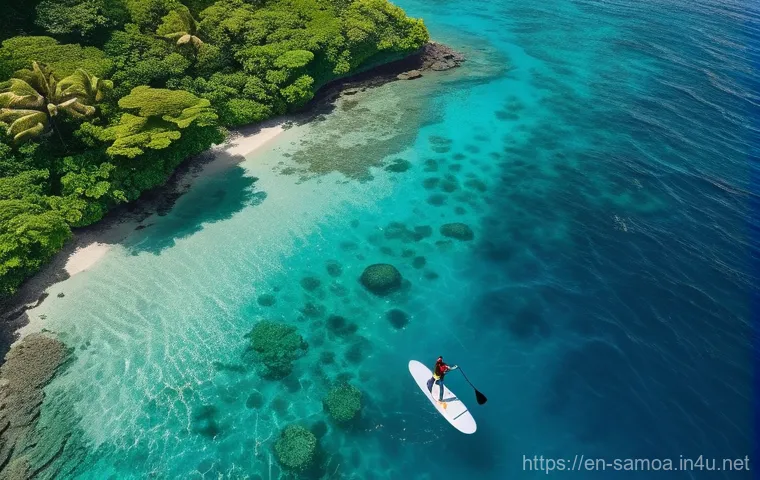
One of the most enriching aspects of exploring Samoa by kayak or paddleboard isn’t just the natural beauty, but the unique perspective it offers into local life and culture. As you glide silently past coastal villages, you’re not just a tourist peering in; you’re often met with warm smiles and friendly waves from children playing on the shore, or local fishermen tending to their nets. It’s a truly authentic glimpse into the daily rhythm of Samoan life, far removed from any curated tourist experience. I distinctly remember paddling past a small village one afternoon and hearing the harmonious sounds of a church choir practicing, their voices carrying beautifully across the water. It was a profound moment, a spontaneous cultural immersion that touched me deeply. This isn’t just about sightseeing; it’s about forming a gentle, respectful connection with the people and their traditions. You’ll see traditional *fales* (Samoan houses) nestled amongst palm trees, vibrant fishing boats pulled onto the sand, and the simple, yet deeply satisfying, pace of island living unfold before your eyes. It truly grounds your experience and adds so much more depth than just visiting the usual tourist spots.
Paddling Near Traditional Villages and Landmarks
Many of Samoa’s most charming and culturally significant villages are situated right along the coast, making them perfect to observe from the water. As you paddle by, you’ll notice the meticulous care taken in maintaining the village grounds, the communal nature of their daily activities, and the sheer beauty of their traditional architecture. There are even some ancient landmarks, like specific rock formations or historical sites, that are best viewed from the ocean, offering a unique historical perspective that you simply can’t get from land. I remember one particularly fascinating paddle where a local guided me past a series of sea caves that held deep spiritual significance for his ancestors, sharing stories that had been passed down through generations. These aren’t just pretty views; they are living narratives, and seeing them from the water creates a sense of profound connection to Samoa’s rich past and vibrant present. It’s an invaluable way to broaden your understanding and appreciation of this incredible culture, far beyond what any guidebook could convey.
Ethical Interactions and Respecting Local Customs
When you’re paddling past villages or even just interacting with locals from your board, it’s incredibly important to do so with respect and an awareness of Samoan customs, known as *Fa’a Samoa*. This includes things like dressing modestly, even on the water, especially if you plan to stop at a village. While swimwear is fine on the beach, covering up with a sarong or shorts and a t-shirt when near populated areas or if stepping ashore is always appreciated. Always ask for permission before taking photos of people, particularly children. A simple smile and a nod can go a long way in showing respect. Remember that these waters are not just for recreation; they are a source of livelihood and integral to the local way of life. Avoid disturbing fishing nets, traditional boats (*paopao*), or any other local activities. By being mindful and courteous, you’re not only ensuring a positive experience for yourself but also showing appreciation for the beautiful culture that welcomes you. It’s about being a respectful traveler, not just another tourist, and these small gestures truly make a difference in building connections.
Capturing the Magic: Photography Tips for Your Watery Journey
Let’s be real, if you’re exploring a place as visually stunning as Samoa from the unique vantage point of a kayak or paddleboard, you’re going to want to capture every breathtaking moment. But taking photos on the water comes with its own set of challenges, from unpredictable splashes to harsh lighting. My number one rule? Always, always use a waterproof camera or a reliable waterproof case for your phone. I’ve learned this lesson the hard way, trust me! There’s nothing worse than losing those priceless shots (or worse, your device) to an unexpected capsize. For ultimate versatility, I swear by an action camera like a GoPro, often mounted on a short pole. This allows for incredible wide-angle shots of the scenery, epic point-of-view footage as you paddle, and even underwater selfies if you’re brave enough. For my phone, I use a clear, submersible pouch that still allows me to operate the touchscreen. Beyond the gear, think about composition. The reflections on the calm lagoons, the lush green against the turquoise water, and the dramatic sunsets viewed from the water offer endless photographic opportunities. Don’t be afraid to experiment with different angles and perspectives; some of my favorite shots have come from getting low to the water or even looking back at my own paddle strokes.
Gear Essentials for Stunning Water Photography
Beyond just a waterproof camera, a few other accessories can truly elevate your water photography game in Samoa. A floating wrist strap or leash for your camera is a non-negotiable; losing your camera to the bottom of the ocean is a nightmare you want to avoid! For action cameras, various mounts can be incredibly useful – a head mount for a first-person perspective, a chest mount for a stable view of your paddling, or a suction cup mount for attaching to your board if you trust it (always double-check!). If you’re using your phone, consider a wide-angle lens attachment. The vastness of Samoa’s landscapes and seascapes often calls for a broader perspective, and these small lenses can make a huge difference. For serious photographers, a polarizing filter can reduce glare off the water, enhancing colors and allowing you to see deeper into the clear lagoons. And perhaps most importantly, bring extra batteries and memory cards. You’ll be taking so many photos and videos, and running out of juice or space in the middle of a stunning moment is incredibly frustrating. Trust me, I’ve been there, and it’s a buzzkill!
Mastering Lighting and Composition on the Waves
Photography is all about light, and on the water, it can be both a blessing and a challenge. The Samoan sun can be incredibly bright, leading to harsh shadows or overexposed shots. Try to shoot during the “golden hours” – early morning or late afternoon – when the light is softer, warmer, and absolutely magical. This is when the water shimmers, and the colors truly pop. When composing your shots, think about the rule of thirds. Position key elements, like a distant island or a particularly striking palm tree, along these imaginary lines for a more dynamic and engaging image. Don’t forget to include yourself in some shots! A selfie stick or a camera with a timer can help capture those personal moments of triumph and serenity. Look for interesting foreground elements, like the bow of your kayak or your paddleboard, to add depth to your landscape shots. Reflections on calm water also offer incredible opportunities for symmetry and abstract compositions. And always wipe your lens! Water droplets are the bane of water photographers, so keep a microfiber cloth handy in your dry bag. By paying attention to these details, you’ll capture images that not only look incredible but also truly convey the feeling of being there.
| Activity Type | Best For | Key Benefits | Considerations |
|---|---|---|---|
| Kayaking | Longer distances, stability, carrying gear, fishing | Comfortable seating, easier for beginners, often faster | Less elevated view, can feel more enclosed |
| Paddleboarding (SUP) | Core workout, elevated views, exploring shallow areas | Full body exercise, incredible visibility into water, versatile (kneel/stand) | Requires better balance, less stable in choppy water, less storage |
| Snorkeling/Free Diving (from paddlecraft) | Up-close marine encounters, photography | Direct interaction with marine life, refreshing breaks | Requires leaving your board/kayak unattended, proper gear needed |
Making It Happen: Practicalities of Planning Your Samoan Paddle Escape
So, you’re convinced, right? You’re ready to trade your daily grind for the gentle rhythm of a paddle in Samoa. Fantastic! But turning that dream into a reality requires a bit of practical planning. One of the first things I always research is accommodation that offers easy access to the water and, ideally, provides kayaks or paddleboards for rent or as part of their amenities. Many resorts and beachfront *fales* (traditional Samoan bungalows) offer this convenience, saving you the hassle of finding rentals elsewhere. If your accommodation doesn’t, then look for local tour operators or watersports centers that specialize in rentals and guided tours. Sometimes, a guided tour, especially if it’s your first time in the area, can be invaluable for discovering the best spots and getting local insights into safety and marine life. I often start by checking reviews on platforms like TripAdvisor or Google Maps for rentals near my chosen base. Booking in advance, especially during peak season, is always a smart move to ensure you get the gear you want. Remember, while Samoa is laid-back, a little foresight in planning goes a long way in making your trip seamless and stress-free, allowing you to focus entirely on the adventure ahead.
Choosing Your Samoan Base: Upolu vs. Savai’i
Samoa offers two main islands for exploration: Upolu and Savai’i, and each has its own distinct charm for paddlers. Upolu, where the international airport is located, is generally more developed and offers a wider array of resorts, restaurants, and easily accessible attractions like the To Sua Ocean Trench. Its calm lagoons, particularly around the south coast near Lalomanu and Lefaga, are absolutely perfect for relaxed kayaking and paddleboarding, with gentle conditions and stunning scenery. It’s a great choice if you’re looking for a mix of adventure and comfort, with plenty of options for rentals and guided tours. Savai’i, on the other hand, is known as “The Big Island” and offers a more rugged, authentic, and less-touristy experience. It’s ideal for those seeking a deeper immersion into traditional Samoan life and more secluded paddling spots. While it might require a bit more planning for rentals and getting around, the reward is incredible solitude and pristine, untouched environments. I’ve personally found some of my most serene and private paddling experiences on Savai’i, where the only other boats were local fishing canoes. Both islands offer incredible opportunities, so consider what kind of vibe you’re truly seeking for your water adventure.
Budgeting for Your Paddle Paradise
When planning any trip, budgeting is key, and Samoa offers options for various price points, from luxury resorts to charming, rustic *fales*. For paddleboarding and kayaking, rental costs can vary. Expect to pay anywhere from 20-50 Tala (WST) per hour or 60-100 Tala for a half-day or full-day rental, depending on the equipment quality and where you rent from. Guided tours, which often include equipment, transportation, and a knowledgeable local guide, will naturally be more expensive, ranging from 150-300 Tala or more per person for a half-day excursion. Don’t forget to factor in transportation costs, as taxis can add up, though local buses offer a more budget-friendly (and authentic!) experience. Food in Samoa is generally affordable, especially if you embrace local markets and smaller eateries. I found that budgeting about 200-300 Tala per person per day for activities, food, and basic transport (excluding accommodation) was a good ballpark figure for a comfortable, mid-range experience. Always carry some cash, as not all smaller vendors or remote rental spots will accept card payments. Planning your budget carefully ensures you can relax and enjoy your Samoan paddle adventure without any financial surprises. It’s an investment in unforgettable memories, after all!
Concluding Thoughts
Honestly, looking back at my time paddling through Samoa, it feels less like a vacation and more like a profound personal journey. Every stroke was a rhythm, every hidden cove a discovery, and every interaction a warm, genuine connection.
It’s a place that whispers secrets to you on the breeze and shows you wonders beneath the surface that stay etched in your memory. If you’re yearning for an adventure that rejuvenates your spirit and connects you deeply with nature and culture, grab that paddle.
Samoa is waiting to tell you its story, one unforgettable moment at a time.
Useful Information to Know
1. Timing Your Trip for Perfection: To truly unlock Samoa’s aquatic magic, I’d wholeheartedly recommend planning your visit during the dry season, which runs from May to October. This is when the weather is consistently beautiful, the seas are generally calmer, and the water clarity for spotting marine life is at its absolute peak, making every paddle a visual feast. If you’re like me and prefer to avoid the busiest times, targeting the shoulder months like June or October often gives you the sweet spot of great weather with fewer crowds.
2. Staying Connected on the Go: While you might want to disconnect in paradise, staying connected for navigation or sharing those incredible moments is pretty essential. Forget relying on free Wi-Fi – it’s surprisingly rare in Samoa, even at resorts. Your best bet is to grab a local SIM card from providers like Vodafone or Digicel right at the airport or in Apia, or even better, activate an eSIM before you arrive. This gives you reliable 4G data coverage across both Upolu and Savai’i, allowing you to easily look up directions or post that stunning sunset photo.
3. Navigating the Islands with Local Flair: Getting around Samoa can be an adventure in itself! While rental cars offer flexibility (just remember to drive on the left and grab a temporary local license), don’t miss out on the vibrant local buses. They run on “island time” and you’ll need to wave them down, but they’re an incredibly inexpensive and culturally immersive way to travel. Taxis are also readily available, especially in Upolu, but always agree on the fare beforehand as meters aren’t common. For inter-island hops, the ferry between Upolu and Savai’i is a smooth, scenic ride.
4. Embracing Fa’a Samoa (The Samoan Way): The warmth of the Samoan people is infectious, and showing respect for their culture, known as Fa’a Samoa, goes a long way. Always dress modestly when in villages or outside your resort – a sarong or t-shirt over swimwear is always appreciated. Be mindful that most land, including beaches and attractions, is privately owned by families or villages, so it’s polite to ask permission and be prepared to pay a small entry fee. Sundays are sacred for family and church; respect this by moving quietly and avoiding loud activities or watersports.
5. Easy Access to Essential Gear: Don’t stress if you can’t bring your own kayak or paddleboard. Most resorts and beachfront fales, especially on Upolu, offer rentals, and there are numerous local tour operators who can set you up with quality equipment for an hourly or daily rate. Pricing is generally quite reasonable, ranging from around 20-50 Tala per hour or 60-100 Tala for a half to full day. Many guided tours also include all necessary gear, making it super convenient to just show up and paddle away.
Key Takeaways
Samoa isn’t just a destination; it’s an immersive experience that touches your soul, especially when explored from its pristine waters. From the moment you launch your kayak or paddleboard, you’re not merely observing a landscape, you’re becoming a part of its vibrant tapestry, uncovering secret havens and gliding over kaleidoscopic coral gardens that truly beggar belief.
What I’ve learned, time and again, is that preparation is your best friend here. Packing smart with reef-safe sunscreen, a reliable dry bag, and plenty of hydration isn’t just about comfort; it’s about fully embracing every single second without a single worry.
More than just the incredible natural beauty, the profound connection you forge with the local culture – the Fa’a Samoa – is what truly sets this adventure apart.
Paddling past villages, exchanging smiles, and understanding their respectful customs enriches your journey in ways you can’t imagine. Remember, safety should always be at the forefront of your mind; checking conditions, informing others of your plans, and wearing a PFD are non-negotiable.
But ultimately, the magic of Samoa lies in its ability to offer an adventure that is both thrilling and deeply peaceful. It’s a call to those who seek genuine connection, breathtaking beauty, and the kind of memories that glow long after you’ve returned home.
So, if your heart is telling you to discover a slice of untouched paradise, Samoa’s aquatic playground is calling your name, promising an unforgettable journey where every paddle stroke indeed tells a story.
Frequently Asked Questions (FAQ) 📖
Q: Where are the absolute best spots for kayaking and paddleboarding in Samoa to truly immerse myself in nature and spot marine life?
A: Oh, this is the question that sets my heart racing! Having personally glided through these incredible waters, I can tell you that Samoa offers some truly magical spots.
If you’re chasing those “wow” moments, you absolutely have to check out the Lotofaga Mangroves on Upolu with a guided tour like Outdoor Samoa’s “Turtle Kayak Day.” It’s an experience like no other, paddling through serene mangrove-lined streams before emerging into the lagoon where you’ll often see peaceful groups of sea turtles munching on seagrass – I mean, my jaw dropped!
They even have a spring-fed pool for a refreshing dip afterward and lunch overlooking village life. Then there’s the Asaga Mangroves on Savai’i for a unique adventure through a glorious forest leading to a freshwater spring.
The feeling of navigating those intricate root systems is so calming, and it’s a fantastic way to appreciate Samoa’s diverse ecosystem. For pure, open-water bliss and incredible snorkeling, the lagoons around Lalomanu (on Upolu) are divine, and I found the Lano and Faga areas on Savai’i also offer expansive, calm lagoons perfect for a relaxed paddle.
And don’t miss the Savaia Giant Clam Sanctuary; you can even join a “Clams Tour” with Return to Paradise Resort to paddleboard or kayak through it, getting an up-close look at these magnificent molluscs!
Seriously, whether it’s the thrill of spotting a turtle or the tranquility of a secluded cove, Samoa delivers.
Q: I’m not a pro paddler! Is Samoa suitable for beginners, and what key safety tips should I keep in mind for a worry-free adventure?
A: Absolutely, no worries at all if you’re not a seasoned pro! From my own experience, Samoa is incredibly welcoming for beginners, both for kayaking and paddleboarding.
Many tour operators, like Outdoor Samoa and Samoa SUP Tours, specifically design their excursions for all skill levels, even first-timers. They’ll give you a quick practice session and a safety briefing, ensuring you feel comfortable before heading out.
I personally found the calm, sheltered lagoons and mangrove channels to be the perfect learning grounds – the water is usually bath-warm, which certainly helps with any jitters!
Now, for those crucial safety tips that I swear by:
Wear a Leash for SUPs and a Life Jacket for Kayaks/SUPs: This is non-negotiable! Your board is your lifeline if you fall off, and a leash keeps it close.
For kayaking, a life jacket (or Personal Flotation Device/PFD) is always supplied and must be worn. Even if you’re a strong swimmer, unexpected currents or a bump can happen, and a PFD offers that extra layer of security.
Check Weather and Water Conditions: Before I even step foot on the sand, I check the forecast. Wind can pick up quickly, and offshore winds can make getting back to shore incredibly challenging.
Stick to calm, flat waters if you’re new to it, and be mindful of tides and currents. Paddle with Awareness: Keep an eye out for other water users – boats, swimmers, even curious fish!
Having 360-degree awareness prevents collisions. Stay Hydrated and Sun Protected: The Samoan sun is glorious but strong! Bring plenty of water, wear reef-safe sunscreen, a hat, and sunglasses.
Dehydration can sneak up on you faster than you think. Know Your Limits (and tell someone your plans!): Don’t push yourself too far, especially on your first few outings.
It’s always a good idea to paddle with a buddy if possible, and definitely let someone on shore know your planned route and expected return time. Most importantly, embrace the calm and enjoy the ride!
Q: Beyond just paddling, how can I genuinely connect with Samoan culture and local life while exploring their beautiful waters?
A: This is where the magic truly unfolds, my friend! While the paddling itself is breathtaking, my most cherished memories involve those unexpected moments of cultural connection.
Samoa is a place where traditions run deep, and the water is often a part of daily life. One of the most authentic ways I found to experience this was by simply choosing a tour that incorporates local villages.
For example, some tours like Outdoor Samoa’s “Turtle Kayak Day” start from a village base, and you get to see glimpses of daily village life, perhaps even enjoy a local lunch at an open fale overlooking the community.
It’s not just about the turtles; it’s about observing and appreciating the rhythm of island living. Another incredible opportunity is to consider staying in a traditional beach fale.
Many of these are owned and operated by local families. Waking up to the sound of the ocean, having breakfast prepared by your hosts, and then stepping right onto the sand to launch your kayak or paddleboard creates an immediate, intimate connection.
You’ll often find yourself chatting with locals, maybe even getting a wave from someone in a traditional paopao canoe as they head out fishing. These smaller, one-man outrigger canoes are still very much a part of Samoan life.
Beyond that, intentionally look for eco-tourism operators, many of whom are deeply embedded in their communities and focused on sustainable practices.
By supporting them, you’re directly contributing to local livelihoods and conservation efforts, which, to me, feels like a true cultural exchange. It’s about being present, respectful, and open to those spontaneous interactions – a friendly “Talofa!” goes a long way.
Trust me, these moments of genuine connection will enrich your Samoan water adventure in ways you can’t even imagine!