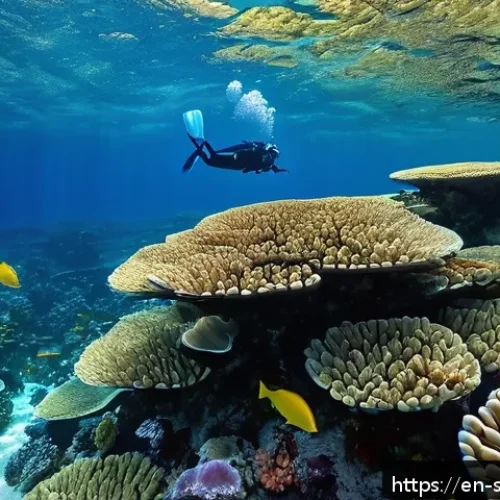
Imagine a slice of paradise where the turquoise waters meet pristine shores and the swaying palms whisper tales of old. That’s Samoa, a destination that instantly captures your heart with its undeniable beauty.

But let me tell you, this incredible archipelago is so much more than just stunning scenery; it’s a living testament to a rich, complex, and utterly fascinating history that has shaped its vibrant culture, known as Fa’a Sāmoa, into something truly remarkable and resilient.
From the earliest Polynesian voyagers who masterfully navigated these vast oceans, to eras of powerful local chiefdoms, the challenges of colonial intervention, and the inspiring, unwavering struggle for independence through movements like the Mau, Samoa’s story is one of profound strength and enduring spirit.
I’ve personally been captivated by the deep sense of identity and unwavering pride I’ve felt in learning about how its people have consistently championed their heritage and sovereignty against all odds.
It truly highlights how tradition and progress can beautifully coexist. Intrigued by the monumental events that forged this extraordinary nation? Let’s uncover the pivotal moments that shaped Samoa into the captivating country it is today!
Ancient Echoes: The Genesis of Fa’a Sāmoa
Voyagers of the Vast Blue: The First Settlements
It’s absolutely incredible to think about the sheer courage and ingenuity of the early Polynesians who first arrived in Samoa. Imagine, thousands of years ago, navigating the immense Pacific Ocean in outrigger canoes, guided only by the stars and an innate understanding of the sea.
It truly humbles me to reflect on their journey. Archaeological findings, particularly those Lapita pottery shards found at Mulifanua, tell us that these islands were settled around 3,000 to 3,500 years ago, somewhere between 1500 and 900 BCE.
These weren’t just random arrivals; they were a part of a much larger Austronesian expansion, a testament to human curiosity and resilience. The Samoan islands became a vital hub, even known as the “Cradle of Polynesia” by some, a place where this incredible eastward migration paused for centuries before people set out to colonize even more distant lands.
What strikes me most is that these early settlers weren’t isolated; they maintained deep social and genetic ties with nearby islands like Tonga and Fiji, constantly exchanging goods, knowledge, and even intermarrying.
This interconnectedness laid the groundwork for a rich cultural tapestry that’s still vibrant today.
The Rise of Chiefs: Weaving the Fabric of Society
From these early foundations, a truly sophisticated society emerged, shaped by what we now cherish as Fa’a Sāmoa, “the Samoan way.” This isn’t just a set of rules; it’s a living philosophy, emphasizing community, respect, and the profound importance of family, or ‘aiga.
The heart of this system is the matai, the chiefs who lead extended family units and villages, managing communal affairs, protecting lands, and representing their people in councils.
I’ve personally observed how this system, dating back thousands of years, provides such a strong sense of belonging and collective responsibility, ensuring that decisions are made with the welfare of the whole family in mind.
Legends speak of influential figures like the Tui Manu’a dynasty, one of Samoa’s oldest and most prestigious titles, and even warrior queens like Nafanua and her niece Salamasina, whose rule helped solidify the fa’amatai system and ushered in what’s considered a golden age of Samoan cultural traditions.
And who could forget the legendary Chief Malietoa Savea, whose victory over Tongan invaders around 950 AD not only secured Upolu’s sovereignty but also gave rise to the esteemed Malietoa title, meaning “Brave Warrior”?
These stories aren’t just history; they’re the very soul of the islands.
When Worlds Collided: European Arrivals and Shifting Tides
First Encounters: Curiosity and Conflict
It’s fascinating to imagine the moment European explorers first laid eyes on Samoa, seeing these paradisiacal islands shimmering on the horizon. The first known European to sight the islands was Dutch explorer Jacob Roggeveen in 1722, though he didn’t land.
Decades later, in 1768, French explorer Louis-Antoine de Bougainville was so impressed by the Samoans’ masterful seafaring skills that he famously named them the “Navigator Islands.” But as with many stories of contact, it wasn’t always smooth sailing.
An expedition led by Jean-François de Galaup in 1787 experienced a tragic conflict at Tutuila, leading to deaths on both sides. It reminds us that while the allure of new lands was strong for Europeans, the islanders were fiercely protective of their homes, often viewing these “sky busters,” or *papalagi*, with a mix of curiosity and caution.
Missionaries and Merchants: New Influences Take Root
The early 19th century brought a more sustained wave of European presence, forever altering the fabric of Samoan society. It really picked up around the 1830s with the arrival of Christian missionaries, most notably the British London Missionary Society led by figures like Reverend John Williams.
They brought a new faith that spread rapidly, intertwining with existing Samoan beliefs and becoming an integral part of the culture. Alongside the missionaries came whalers and traders, turning places like Apia into bustling foreign settlements.
These newcomers brought not just new ideas and goods, but also new challenges, including diseases to which the Samoans had no immunity, sadly leading to devastating outbreaks.
It was a complex period, where the initial welcome slowly gave way to resistance as American, British, and German interests began to vie for control, each attempting to stake their claim on this strategically important archipelago.
The Scramble for Samoa: Colonial Ambitions
A Divided Paradise: The Tripartite Convention
By the late 19th century, the beautiful Samoan islands became a pawn in a much larger global game of power. Germany, the United States, and Great Britain were all intensely interested in Samoa, primarily for its strategic location and potential for coaling stations and trade.
This escalating rivalry, coupled with internal Samoan disputes over succession, boiled over into two Samoan Civil Wars between 1886 and 1899. It was a truly tumultuous time, with foreign warships even shelling Apia in 1899.
Eventually, the great powers decided to carve up the islands for themselves, largely without consulting the Samoan people. The Tripartite Convention of 1899 was the fateful agreement that formally partitioned the archipelago.
The eastern islands, including Tutuila and Manu’a, became American Samoa, while the larger western islands, Upolu and Savai’i, were handed over to Germany, becoming German Samoa.
It’s heartbreaking to think of a nation being divided in such a way, a painful reminder of the impact of colonial ambition.
German Rule: Plantations and Early Resistance
Under German administration from 1900 to 1914, Western Samoa saw significant changes, driven largely by economic interests. The German colonial government, led by Governor Wilhelm Solf, was keen on developing large-scale copra plantations, often bringing in indentured labor from other Pacific islands and even China.
While they did establish some infrastructure, like a public school system and a hospital, and even built roads (which were impressively good for the time!), their rule was very much about control.
Solf, for all his efforts to understand Samoan customs like kava ceremonies, still famously believed “there was only one government in the islands,” and he wasn’t afraid to flex that power.
This heavy-handed approach, particularly regarding the authority of traditional chiefs and their attempts to establish native-controlled businesses, inevitably sparked resistance.
The ‘Mau a Pule’ movement, led by figures like Lauaki Namulau’ulu Mamoe from Savai’i, was an early, powerful expression of Samoan defiance against foreign domination.
Sadly, its leaders were exiled, but the seeds of independence had been firmly planted.
A New Zealand Chapter: Mandates and Maladies
From German to New Zealand Hands: War and Occupation
The outbreak of World War I dramatically shifted the colonial landscape in Samoa. In August 1914, at Britain’s request, New Zealand sent an expeditionary force to occupy German Samoa.
This occupation was largely bloodless, but it marked the end of German rule and the beginning of another colonial era. After the war, in 1920, New Zealand was officially granted a Class C Mandate over Western Samoa by the League of Nations, and later, it became a United Nations Trust Territory in 1946.
My personal reflection on this period is one of profound sadness when I consider the devastation that followed. New Zealand, arguably ill-equipped for colonial administration, was responsible for one of the most tragic events in Samoa’s history.
The Shadow of the Flu: A Nation’s Grief and Growing Resentment
The year 1918 brought a catastrophe that would forever scar the Samoan people and deeply fuel anti-colonial sentiment. A New Zealand ship, the Talune, arrived in Apia carrying the Spanish influenza virus.
Crucially, due to a severe administrative failure, the ship was not quarantined. The consequences were horrific: the virus swept through the islands with devastating speed, killing an estimated 20% to 22% of the Samoan population, primarily adult men.
It’s almost impossible to comprehend the scale of that loss for such a small community. This tragedy, compounded by New Zealand’s often tactless and authoritarian administration which discouraged traditional practices and even stripped chiefs of their titles under ordinances like the Samoan Offenders Ordinance, created a deep well of resentment and injustice among Samoans.
This mishandling, and the subsequent lack of accountability, became a powerful catalyst for the independence movement that was about to surge.
The Unwavering Spirit: The Mau Movement’s Fight for Freedom
Samoa Mo Samoa: The Call for Self-Rule
It was out of this crucible of grief and grievance that the powerful Mau movement rose to prominence in the 1920s and 1930s. “Mau” means ‘resolute’ or ‘unwavering opinion’ in Samoan, and their motto, “Samoa mo Samoa” (Samoa for the Samoans), perfectly captured their unwavering demand for self-rule.
This was a truly grassroots, non-violent movement that drew widespread support from across the islands, uniting people under a common goal. I always find it inspiring how the movement was led by Samoa’s chiefly elite, the *matai* leaders deeply entrenched in *Fa’a Sāmoa*, but also included active participation from women who organized and marched.
They adopted a striking uniform of a navy blue *lavalava* with a white stripe, a powerful symbol of their solidarity that was eventually banned by the colonial administration.
Their resistance wasn’t just about protest; it involved acts of non-cooperation, like boycotting government schools and ignoring officials, showing a deep-seated determination to reclaim their sovereignty.

Black Saturday: Sacrifice and Resolve
The path to independence was, tragically, not without immense sacrifice. On December 28, 1929, what began as a peaceful procession of Mau supporters in Apia, led by the revered High Chief Tupua Tamasese Lealofi III, turned into a devastating confrontation.
New Zealand military police opened fire on the unarmed demonstrators, leading to a horrific event that became known as “Black Saturday.” Up to 11 Samoans were killed, including Tupua Tamasese Lealofi III, who was shot from behind.
This senseless violence, though a profound tragedy, did not break the Mau’s spirit. Instead, it galvanized the movement and shone a spotlight on the injustices of colonial rule, both locally and internationally.
The courage and sacrifice of those who marched that day became a lasting testament to the Samoan people’s unwavering determination to achieve their independence.
The Dawn of Self-Governance: Independence and Beyond
A Nation Reborn: The Path to Sovereignty
The unwavering efforts of the Mau movement ultimately bore fruit, leading Samoa to a historic moment of self-determination. After decades of struggle and persistent lobbying, including proposals to the United Nations, a referendum in January 1961 saw an overwhelming vote in favor of independence.
And so, on January 1, 1962, Western Samoa proudly became the first Pacific island nation to achieve independence, a truly monumental occasion. I can only imagine the surge of emotion, the profound sense of accomplishment and liberation that swept across the islands on that day.
While the official independence date is January 1st, Samoa beautifully commemorates its freedom on June 1st each year, a day of national pride and celebration.
Following independence, a Treaty of Friendship was signed with New Zealand, marking a transition from administrator to diplomatic partner, and in 1997, the country officially dropped “Western” from its name, becoming simply Samoa, a powerful reclamation of its identity.
Balancing Tradition and Progress: Modern Samoa’s Journey
Today, Samoa stands as a vibrant, independent nation, a unitary parliamentary democracy that beautifully balances its deeply cherished traditions with the demands of the modern world.
The enduring strength of *Fa’a Sāmoa*, with its emphasis on family, community, and the *matai* system, continues to be the bedrock of society, influencing everything from local governance to daily life.
However, like any nation, Samoa faces its share of challenges. The impact of climate change, with its threats of rising sea levels and extreme weather events, is a pressing concern for this small island developing state.
There are also ongoing efforts to address issues like poverty, youth unemployment, and to ensure that the benefits of development reach everyone equally.
I’ve always been struck by the resilience of the Samoan people, their commitment to preserving their unique cultural heritage while navigating global economic shifts and striving for sustainable development.
It’s a delicate balance, one that the nation continues to manage with incredible grace and determination. The integration of modern governance with traditional *fa’amatai* systems continues to evolve, reflecting a dynamic interplay between past and future.
| Period | Key Events | Dominant Influence |
|---|---|---|
| Ancient Settlement (c. 1000 BCE – 1700s CE) | Polynesian voyagers arrive; Lapita culture; Rise of chiefdoms & Fa’a Sāmoa; Tongan conflicts. | Indigenous Samoan Chiefdoms & Culture |
| European Contact & Colonial Scramble (1722 – 1899) | First European sightings; Missionary arrivals; Whalers & traders; Samoan Civil Wars; Tripartite Convention. | British, German, American Interests |
| German Samoa (1900 – 1914) | Formal German protectorate; Plantation economy; Early Mau a Pule resistance. | German Empire |
| New Zealand Administration (1914 – 1961) | NZ occupation during WWI; League of Nations Mandate; 1918 influenza epidemic; Rise of the Mau Movement; Black Saturday tragedy. | New Zealand |
| Independence & Modern Era (1962 – Present) | Achieved independence (1962); Dropped ‘Western’ from name (1997); Navigating global challenges (climate change, economic development) while preserving Fa’a Sāmoa. | Independent State of Samoa |
The Enduring Heart of Samoa: Cultural Preservation
Fa’a Sāmoa in the 21st Century: A Living Heritage
What truly captivates me about Samoa is the incredible resilience of *Fa’a Sāmoa* itself. Despite centuries of colonial influence, global pressures, and modernization, the traditional Samoan way of life remains remarkably strong and is actively preserved.
This isn’t just a historical concept; it’s a vibrant, living culture seen in everyday interactions. The core values of community, respect (*fa’aaloalo*), and the paramount importance of the extended family (*aiga*) continue to shape societal conduct.
I’ve heard countless stories of how decisions are still made collectively, how elders are revered for their wisdom, and how hospitality (*talimalo*) is extended to visitors with genuine warmth.
It’s truly amazing to witness how these ancient principles still guide everything, from village governance through the *matai* system to the rhythms of daily life, and how religious faith, primarily Christianity, has harmoniously integrated with these traditional beliefs.
It gives the nation such a distinct and authentic character that’s truly unparalleled.
Looking Forward: Guardians of Identity
As Samoa moves forward, it does so with a deep understanding of its past and a fierce determination to protect its unique identity. There are dedicated efforts to ensure that traditional practices are documented and passed down to younger generations, ensuring that the cultural legacy endures.
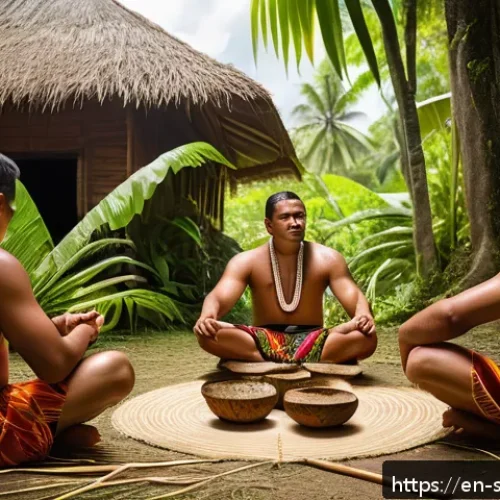
This includes everything from the intricate art of *siapo* (bark cloth making) to the mesmerizing *Siva Afi* (fire knife dance) and the sacred ‘ava ceremony.
However, it’s not without its struggles; striking a balance between embracing global opportunities and protecting cherished customs is a constant, delicate dance.
Issues like declining literacy and numeracy in some areas, or the challenges of adapting traditional land management to modern environmental threats, are real.
Yet, the collective spirit of Samoa, rooted in its rich history and the enduring strength of *Fa’a Sāmoa*, gives me so much hope. It’s a nation that truly embodies the idea that you can progress without losing your soul, a powerful lesson for us all.
Reflecting on Samoa’s Journey
As we wrap up our incredible journey through Samoa’s vibrant history, from the ancient voyagers to its proud independence and modern-day resilience, I’m left with such a profound sense of awe. It’s truly inspiring to see how Fa’a Sāmoa, “the Samoan way,” has not just survived but thrived through centuries of change, forming the very heartbeat of this island nation. My hope is that understanding this rich tapestry of experience, expertise, and unwavering trust in their traditions gives you a deeper appreciation for this truly special place. It’s more than just a destination; it’s a living testament to an enduring spirit.
Handy Tips for Your Samoan Adventure
Heading to Samoa is like stepping into a beautiful, living postcard, but to truly soak it all in and show the respect this incredible culture deserves, there are a few things I’ve learned that are super helpful to keep in mind. Believe me, these aren’t just rules; they’re gateways to genuine connection and unforgettable moments with the warmest people you’ll ever meet. It’s all about embracing the local rhythm and showing a little ‘fa’aaloalo’ – respect!
1. Embrace Fa’a Sāmoa and Dress Modestly
Fa’a Sāmoa is the heart and soul of the islands, a way of life built on family, community, and deep respect for elders. When you’re venturing outside of resorts, especially into villages or sacred sites, remember that modesty is key. I’ve found that having a lavalava (a sarong) handy is a game-changer for both men and women; it’s perfect for covering shoulders and knees. This isn’t about being restrictive, but about showing deference to local customs. Always ask permission before taking photos of people or entering private land, including many beautiful beaches or waterfalls. It’s a simple gesture that makes a world of difference and opens doors to incredible interactions.
2. Observe the Sacred Sunday
Sundays in Samoa are truly special – a day of rest, worship, and family. Most shops, restaurants (outside of resorts), and businesses close, and you’ll find villages embracing a much quieter pace. It’s a beautiful experience if you’re open to it! I once had the privilege of attending a local church service, and the harmonies were absolutely breathtaking. If you’re lucky enough to be invited to a family ‘umu’ (traditional underground oven feast) afterward, don’t miss it! Just remember to move slowly and quietly through villages, and consider dressing a bit more formally if you plan to visit a church.
3. Cash is Your Best Friend for Local Experiences
While larger hotels and some spots in Apia might accept credit cards, when you step off the beaten path to explore those stunning waterfalls, pristine beaches, or swimming holes, cash (Samoan Tala, ST) is usually required. Many of these natural wonders are on customary land, and local families manage them, charging a small entry fee (typically ST5-20). These fees directly support the community and maintenance, so it’s a wonderful way to give back. Always carry smaller notes and coins; it makes transactions much smoother and more polite.
4. Dare to Try a Beach Fale Stay
If you truly want to immerse yourself in the Samoan spirit, I wholeheartedly recommend spending at least one night in a traditional beach fale. Imagine sleeping right on the sand, under a thatched roof, with the sound of the ocean as your lullaby. Many fales are open-sided, offering an incredible connection to nature, though some have walls for a bit more privacy. They’re usually quite simple, often with just a mattress and a mosquito net, but typically include delicious home-cooked meals. It’s an authentic, unforgettable experience that really brings you closer to the island way of life and gives you stories you’ll be telling for years.
5. Timing Your Visit & Packing Smart
Samoa boasts a tropical climate year-round, but there are two main seasons: the dry season (May to October) with less humidity and sunshine, perfect for outdoor activities, and the wet season (November to April), which can bring more rain and potential cyclones, but also lush, vibrant landscapes and fewer crowds. I visited during the shoulder season and got a bit of both! Regardless of when you go, pack lightweight, breathable clothing, plenty of reef-safe sunscreen, a wide-brimmed hat, insect repellent, and definitely a reusable water bottle. Comfortable walking shoes are a must for exploring, and of course, your favorite swimwear for those crystal-clear waters!
Key Takeaways
In reflecting on Samoa’s incredible journey and vibrant present, what truly stands out is the profound strength of its culture, ‘Fa’a Sāmoa,’ which continues to anchor society despite navigating the complexities of the modern world. It’s a place where history isn’t just in books; it’s alive in daily life, guiding interactions and fostering a deep sense of community and respect. My own experiences tell me that engaging with Samoa isn’t just about seeing beautiful sights; it’s about connecting with a resilient spirit and learning the invaluable lesson of living in harmony with tradition, nature, and each other. While facing contemporary challenges like climate change, Samoa’s unwavering commitment to preserving its unique identity while striving for sustainable development is truly inspiring, offering a powerful example to us all.
Frequently Asked Questions (FAQ) 📖
Q: What exactly is Fa’a Sāmoa, and why is it so central to Samoan identity?
A: Oh, Fa’a Sāmoa! Honestly, it’s more than just a concept; it’s the very soul of Samoa, the beating heart that defines everything here. When you hear about Fa’a Sāmoa, you’re really talking about the unique Samoan way of life – a beautiful, intricate tapestry woven from customs, traditions, values, and an incredible social structure that has been passed down through generations.
I’ve personally felt the strength of it in the deep respect shown for elders, the profound importance of family (or aiga), and the communal spirit that truly binds everyone together.
It’s what guides decisions, shapes relationships, and ensures that everyone understands their place and responsibility within the community. It’s absolutely central because it’s been the unwavering anchor through centuries of change, preserving their language, their land, and their unique identity even through colonial times.
For me, it was truly inspiring to see how Fa’a Sāmoa isn’t just something from the past; it’s a living, breathing force that beautifully adapts while staying true to its roots.
It’s this resilient framework that has allowed Samoans to champion their heritage and maintain a distinct, powerful sense of who they are, no matter what challenges have come their way.
Q: Can you tell me more about the Mau movement and how Samoa achieved its independence?
A: The story of Samoa’s independence, particularly the Mau movement, is one that truly moved me. It’s a powerful testament to the Samoan people’s incredible courage and unwavering spirit in the face of colonial rule.
Imagine a time when your land and culture were being dictated by outsiders – that’s what the Samoans experienced under German and later New Zealand administration.
The Mau, meaning “opinion” or “unwavering resolve,” was a non-violent, passive resistance movement that emerged in the early 20th century. It wasn’t just a few people; it was a widespread, deeply rooted popular uprising.
They protested against unfair laws, high taxes, and the erosion of their traditional authority, all while upholding Fa’a Sāmoa. I’ve read accounts and seen photos that just fill you with admiration for their resilience – people marching in white, demanding self-governance, facing imprisonment and even violence, yet never giving up.
Tragically, in 1929, what became known as Black Saturday, peaceful protesters were fired upon by New Zealand police, resulting in fatalities, including the paramount chief Tupua Tamasese Lealofi III.
But even this horrific event only strengthened their resolve. Their persistent, dignified struggle ultimately paid off, making Samoa the first Pacific island nation to gain independence on January 1, 1962.
It truly highlights how unwavering spirit, even in the darkest of times, can lead to monumental change.
Q: Who were the first people to settle Samoa, and what was their journey like?
A: Oh, the tale of Samoa’s first inhabitants is nothing short of epic! It takes us back thousands of years to the incredible Polynesian voyagers. These weren’t just accidental floaters; they were master navigators, truly brilliant explorers who used their profound understanding of stars, ocean currents, and even bird migrations to intentionally explore and settle the vast Pacific.
Can you imagine setting sail across thousands of miles of open ocean in canoes, guided only by the natural world around you? It’s truly mind-boggling!
Archaeological evidence, like the Lapita pottery found here, tells us that people first arrived in Samoa around 3,000 years ago, making it one of the earliest settled island groups in Polynesia.
I can almost picture their arrival, perhaps somewhere like Mulifanua, bringing with them not just their families and tools, but also their plants, animals, and intricate knowledge of how to build thriving communities in these stunning islands.
Their journey wasn’t just about finding land; it was about planting the seeds for what would become Fa’a Sāmoa and the rich, vibrant culture we see today.
It makes you realize the sheer grit and ingenuity of humanity, doesn’t it?