Dreaming of swaying palm trees, crystal-clear waters, and a life far removed from the everyday grind? Samoa might just be your paradise found! This idyllic South Pacific island nation offers a unique blend of stunning natural beauty, rich cultural traditions, and a relaxed pace of life that’s hard to resist.
I have personally spent time exploring this incredible archipelago, and the warmth of the Samoan people and the sheer beauty of the landscape truly captivated me.
Whether you’re looking for a temporary escape or a permanent change of scenery, understanding the visa requirements and residency options is crucial. The world is changing, and Samoa is rapidly adapting to new technologies and a more connected world.
Experts predict that sustainable tourism and digital nomadism will play increasingly important roles in Samoa’s future, creating new opportunities for those seeking a life in paradise.
Let’s find out more details in the article below.
Navigating Your Path to Paradise: Visas and Residency in SamoaDrawn in by the allure of untouched beaches and the vibrant Fa’a Samoa (Samoan way of life)?
Planning a move to Samoa, even for a short stint, requires understanding the visa landscape. It’s more than just filling out forms; it’s about respecting local laws and ensuring a smooth transition.
From tourist permits to long-term residency, several pathways can lead you to living your Samoan dream. Don’t worry, it’s not as daunting as it sounds.
I remember when I first started looking into visas, I was overwhelmed, but after a bit of research, it became much clearer.
Understanding Short-Term Tourist Permits

If you’re a citizen of many countries, including the US, Canada, the UK, and EU nations, you can enter Samoa visa-free for tourism purposes. The typical duration is up to 60 or 90 days, but double-check based on your nationality.
This is a fantastic way to experience the islands, decide if a longer stay suits you, or just unwind with no strings attached. I’ve met many people who visited Samoa as tourists and then decided to explore longer-term options because they fell in love with the place!
Things to consider
* Remember to always check the most updated official government source for specific entry requirements. Policies can change, and you need to be current.
* Tourist permits don’t allow you to work or engage in business activities in Samoa. This is purely for leisure and exploration. * Overstaying your visa is a big no-no.
Make sure to apply for an extension if you intend to stay longer than your allotted time.
Exploring Options for Extended Stays
Want more than just a taste of paradise? Several visa options can extend your stay in Samoa beyond the standard tourist allowance. From visitor permits that allow for longer holidays to work permits that let you earn a living, the right visa can unlock a deeper connection with the island.
I remember meeting an artist who managed to extend their stay through a visitor permit, using their time to create beautiful works inspired by the Samoan landscape.
Visitor Permits: A Bridge Between Tourism and Residency
* Visitor permits are designed for individuals who wish to stay longer than the standard tourist permit allows but don’t intend to work or reside permanently.
These are often suitable for retirees, long-term travelers, or those conducting research. * To obtain a visitor permit, you’ll typically need to demonstrate sufficient funds to support yourself during your stay and provide a valid return ticket.
* It’s also worth exploring whether the permit can be extended while you’re already in Samoa. I know some individuals who came on a tourist visa and then successfully applied for a visitor permit extension from within the country.
Work Permits: Turning Your Skills into a Samoan Adventure
* If you possess skills that are in demand in Samoa, a work permit could be your golden ticket to an extended stay. These permits are typically sponsored by a Samoan employer who can demonstrate that they couldn’t fill the position with a local candidate.
* Industries like tourism, healthcare, and education often have openings for foreign workers. It’s a good idea to research the job market and network with local businesses to explore potential opportunities.
* Remember that work permits usually require extensive documentation, including your qualifications, employment history, and a police clearance certificate from your home country.
Turning Your Passion into a Livelihood: Finding Work and Business OpportunitiesPicture yourself waking up to the sound of waves and spending your days contributing to a vibrant local community.
Samoa offers unique opportunities for entrepreneurs and skilled workers alike. But landing a job or starting a business requires a realistic understanding of the local market and a willingness to adapt to the Samoan way of doing things.
Understanding the Samoan Job Market
The job market in Samoa is relatively small, and opportunities can be competitive. Key industries include tourism, agriculture, fisheries, and government services.
However, certain skills, particularly in areas like IT, healthcare, and education, are often in demand. I’ve heard from expats who found success by leveraging their international experience and adapting it to the local context.
How to Find Available Positions
* Networking is crucial. Attend local events, join expat groups, and reach out to people in your field. Personal connections can often open doors that online job boards can’t.
* Keep an eye on local newspapers and online job portals. While not as extensive as in larger countries, these platforms can still list relevant job openings.
* Consider contacting recruitment agencies that specialize in placing foreign workers in Samoa. They can provide valuable insights into the job market and help you navigate the application process.
Starting Your Own Business in Paradise
Samoa is increasingly encouraging foreign investment and entrepreneurship. If you have a unique business idea and are willing to put in the work, you could find success in this growing market.
I know of several expats who’ve launched successful businesses, from eco-tourism ventures to artisanal food production.
Researching the Local Market
* Conduct thorough market research to identify a viable business opportunity. What are the unmet needs in the community? What products or services are currently lacking?
* Consider partnering with local businesses. This can provide valuable insights into the local market and help you navigate the cultural and regulatory landscape.
* Develop a solid business plan that outlines your goals, strategies, and financial projections. This will be essential for securing funding and obtaining the necessary permits.
Investing in Samoa: Buying Property and Contributing to the Local EconomyBeyond just living and working, contributing to the local economy through investment is another pathway to establishing yourself in Samoa.
From buying a slice of paradise to creating sustainable businesses, your investment can not only enrich your life but also support the local community.
Remember, it’s not just about personal gain; it’s about being a responsible and engaged member of society.
Understanding Property Ownership in Samoa
Foreigners can buy or lease land in Samoa, but the process involves specific legal requirements and considerations. It’s essential to work with reputable local lawyers and real estate agents to ensure a smooth and transparent transaction.
I’ve seen firsthand how valuable professional advice can be in navigating the local property market.
Freehold vs. Leasehold Land
* Freehold land is owned outright, while leasehold land is leased from the government or a private landowner for a specific period. Foreigners are generally restricted from owning freehold land but can lease land for up to 50 years, with the option to renew.
* Consider the pros and cons of each option before making a decision. Leasehold land may be more affordable upfront but comes with limitations on how you can use the property.
Freehold land offers greater flexibility but is generally more expensive and difficult to acquire. * Be sure to conduct a thorough title search to verify the ownership and any potential encumbrances on the property.
This will help you avoid any legal disputes down the road.
Investing in Local Businesses
Supporting local businesses is a great way to contribute to the Samoan economy and integrate into the community. Consider investing in existing businesses or partnering with local entrepreneurs to launch new ventures.
I’ve met several expats who’ve found success by investing in sustainable tourism initiatives or agricultural projects.
Building Relationships with Locals
* Building strong relationships with local partners is crucial for success. Take the time to understand their culture, values, and business practices.
* Look for opportunities to collaborate and share your knowledge and expertise. This can help local businesses grow and thrive. * Be patient and persistent.
Building trust takes time, but it’s essential for creating long-term partnerships. Navigating Cultural Nuances: Adapting to the Fa’a SamoaMoving to a new country is about more than just paperwork and logistics; it’s about embracing a new culture and way of life.
In Samoa, this means understanding and respecting the Fa’a Samoa, the traditional Samoan way of life. From communal living to respect for elders, the Fa’a Samoa permeates every aspect of Samoan society.
Understanding Samoan Customs and Traditions
The Fa’a Samoa is based on strong family ties, respect for elders, and communal living. It’s important to be aware of these customs and traditions and to show respect for them in your daily interactions.
I remember one time when I accidentally sat with my back to an elder, and a local friend gently corrected me, explaining the significance of showing respect in that way.
Common Practices
* Respect for elders (Matua): Elders are highly respected in Samoan society, and their opinions and decisions are valued. Always address elders with respect and listen to their advice.
* Communal living (Fa’alavelave): Samoan families often live together in extended households and share resources and responsibilities. Be prepared to adapt to this communal way of life and to contribute to the family’s well-being.
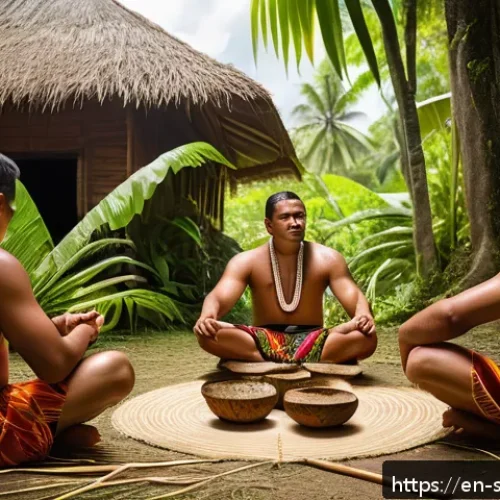
* Traditional ceremonies (Ava ceremony): The Ava ceremony is an important part of Samoan culture and is often performed to welcome guests or mark special occasions.
Be prepared to participate in these ceremonies and to follow the instructions of the elders.
Learning the Samoan Language
While English is widely spoken in Samoa, learning the Samoan language can greatly enhance your experience and help you connect with the local community.
Even basic phrases can go a long way in showing respect and building relationships. I started learning a few phrases before I arrived, and it made a huge difference in how I was received.
Resources for Learning Samoan
* Take a language course at a local community center or online. * Use language learning apps like Duolingo or Memrise. * Practice speaking with native speakers whenever possible.
Don’t be afraid to make mistakes; people will appreciate your effort to learn their language. Staying Connected: Internet Access and Digital Nomadism in SamoaIn today’s digital age, staying connected is essential, whether you’re working remotely, running a business, or simply staying in touch with loved ones.
Samoa has made significant strides in improving its internet infrastructure, making it an increasingly viable option for digital nomads and remote workers.
However, it’s important to be aware of the challenges and to plan accordingly.
Understanding Internet Availability and Speed
Internet access is generally available in urban areas and tourist resorts, but it can be limited in more remote areas. Internet speeds vary depending on your location and service provider.
I’ve found that mobile data is often a reliable option, but it can be expensive.
Tips
* Invest in a local SIM card with a data plan. This will give you access to mobile internet and allow you to stay connected on the go. * Consider subscribing to a satellite internet service if you plan to live in a remote area.
* Be prepared for occasional outages and slowdowns. Samoa’s internet infrastructure is still developing, and disruptions can occur.
Creating a Productive Workspace
If you’re working remotely, it’s important to create a dedicated workspace where you can focus and be productive. This could be a home office, a co-working space, or even a café with reliable internet access.
Work Space Options
* Establish a home office with a comfortable chair, a desk, and good lighting. * Consider joining a co-working space. This can provide a professional environment and opportunities to network with other remote workers.
* Explore local cafes with WiFi. Many cafes offer a relaxed atmosphere and good coffee, making them ideal for working remotely.
| Visa Type | Description | Requirements | Duration |
|---|---|---|---|
| Tourist Permit | Allows entry for tourism purposes. | Valid passport, return ticket. | Up to 60 or 90 days (depending on nationality). |
| Visitor Permit | For extended stays without working. | Sufficient funds, return ticket. | Varies, usually up to 6 months. |
| Work Permit | Allows employment with a Samoan employer. | Job offer, qualifications, police clearance. | Varies, typically tied to employment contract. |
| Resident Visa | For long-term residency. | Investment, family ties, or special skills. | Varies, renewable. |
Navigating the intricacies of visas, work, and life in a new country can seem like a Herculean task. But the reward—immersing yourself in the breathtaking beauty and unique culture of Samoa—is well worth the effort.
In Conclusion
Embarking on a new life in Samoa is an exciting journey filled with opportunities for adventure and cultural immersion. Understanding the visa options, job market, and cultural nuances is key to a smooth transition. Embrace the Fa’a Samoa, respect local customs, and be open to new experiences. Remember, the journey is just as important as the destination, and Samoa offers a unique and rewarding experience for those who are willing to embrace it.
Helpful Tips
1. Always check the official Samoan Immigration website for the most up-to-date visa requirements and regulations. Don’t rely solely on third-party websites or forums.
2. Network with expats already living in Samoa. Their firsthand experiences and advice can be invaluable in navigating the local landscape.
3. Learn a few basic Samoan phrases. It will go a long way in showing respect and building relationships with locals. “Talofa” (hello) and “Fa’afetai” (thank you) are good starting points.
4. Be prepared for island time. Things move at a slower pace in Samoa, so patience is key. Don’t expect everything to happen as quickly as it would in your home country.
5. Pack light clothing, sunscreen, and insect repellent. Samoa has a tropical climate, so you’ll want to dress accordingly and protect yourself from the sun and mosquitoes.
Key Takeaways
Visa options range from tourist permits to long-term residency, each with specific requirements. The Samoan job market is competitive, but opportunities exist in tourism, healthcare, and education. Foreigners can invest in property and businesses, contributing to the local economy. Adapting to the Fa’a Samoa is crucial for integration and respect. Staying connected is possible with mobile data and satellite internet, but plan for potential disruptions.
Frequently Asked Questions (FAQ) 📖
Q: So, if I’m just popping over to Samoa for a quick vacation, what kind of visa do I need? I’m a US citizen, by the way.
A: Lucky you, heading to Samoa! For US citizens planning a short vacation (up to 90 days), you usually don’t need a visa. Samoa offers visa-free entry for tourism purposes to citizens of many countries, including the United States.
Just make sure your passport is valid for at least six months beyond your intended stay, and you have proof of onward travel (like a return ticket). I remember being so relieved when I realized I didn’t have to deal with visa applications before my trip – one less thing to worry about when packing my bags!
Q: Okay, that’s good news for my vacation. But what if I fall completely in love with the place (which I suspect I will!) and want to actually live in Samoa? What are my options for long-term residency?
A: Ah, the “Samoa bug” bites everyone eventually! If you’re dreaming of a longer stay, you’ll need to explore residency permits. There are several options, including permits for employment, investment, or even retirement.
Honestly, the process can be a bit bureaucratic, but it’s definitely achievable. The best starting point is to contact the Samoan Immigration Office directly or consult with a local lawyer.
They can guide you through the specific requirements based on your circumstances. I’ve heard stories of people successfully gaining residency through investing in local businesses, which sounds like a pretty cool way to contribute to the community and build a life there.
Q: I’m a digital nomad, and the idea of working remotely from a Samoan beach is incredibly appealing. Is there anything specific I should know about Samoa’s approach to remote workers and digital businesses?
A: re they embracing the digital nomad lifestyle? A3: Samoa is definitely becoming more aware of the digital nomad scene! While they don’t have a specific “digital nomad visa” yet, they are actively exploring options to attract remote workers.
The key is to ensure you’re compliant with local laws. You could potentially enter as a tourist and explore the possibility of applying for a longer-term business visa if you plan to conduct significant business activities.
The internet infrastructure is improving steadily, and there are co-working spaces popping up in Apia. My advice would be to research internet providers and signal strengths beforehand, especially if reliable connectivity is crucial for your work.
I can just picture myself typing away on my laptop, with the sound of the waves in the background…pure bliss!
📚 References
Wikipedia Encyclopedia